
INTERVIEW
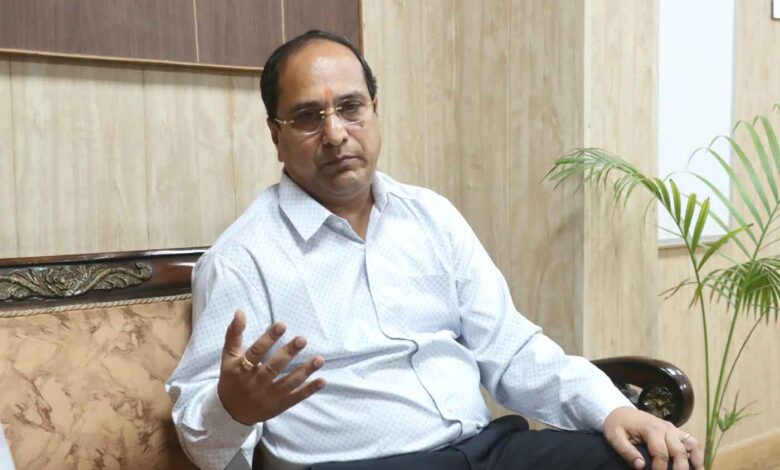
A total of 172 HIV positive cases have been reported in Dehradun district so far this year. This and other aspects pose challenges to the health services. The district’s chief medical officer Dr Manoj Kumar Sharma spoke to Mansi Bhambri of The Pioneer elaborating the Health department’s actions and plans to meet health challenges.
How many HIV cases were detected this year?
From January to October 7 this year, 172 HIV cases have been reported in Dehradun district. HIV cases are usually reported more in urban areas, mainly due to factors resulting from urbanisation like people from different places coming together. HIV can spread through IV drug abuse, contaminated blood, or syringes, among other causes. Common symptoms include consistent diarrhoea, weight loss, fungal infections, frequent infections and sometimes low-grade fever. For prevention, one should ensure that blood is taken from checked and reputed institutions, use disposable syringes and follow safe sexual practices. We are focusing on raising awareness to prevent HIV. Different NGOs working with groups like drug abusers and migrant populations, along with government agencies, are working in this field. We are ensuring timely screening, testing and treatment. With timely treatment, life expectancy increases and the spread of infection declines.
What is the current strength of doctors, staff nurses and ANMs in Dehradun district; how many posts are vacant?
In the Dehradun district there are 311 sanctioned posts of doctors, of which 291 doctors are posted and 20 posts are vacant. There are 98 sanctioned posts of pharmacists but the number of filled posts in the district is higher than the sanctioned posts- 135, as they are also deployed for all 41 sub-centres. There are 255 posts of nursing staff out of which 222 are filled and 33 are vacant. ANMs sanctioned posts are 220, of which 200 are filled and 20 are vacant. The recruitment process continues at the State level for filling all vacant posts. Recent appointments of ANMs have been made and they are expected to join soon.
What is the present status of the government cancer hospital at Harrawala in Dehradun?
The cancer hospital is proposed to be established at Harrawala, Dehradun. The hospital building has been constructed but its handover is awaited. The handover has not been done yet due to directions of the State administration, which stipulated that a committee would be constituted to inspect whether the construction has been carried out as per norms. The handover will be done only after submission of its report. The proposed cancer hospital will have a capacity of 300 beds.
What is the present condition of government hospitals in Dehradun and what are the major challenges being faced?
We have one district hospital, four sub-district hospitals, five community health centres, 47 primary health centres and 186 sub-centres. The condition of all government hospitals in the district has improved over time, including infrastructure, buildings and the availability of facilities such as MRI and X-ray machines.
However, there is still a shortage of super-specialist doctors in the government setup and the system continues to face constraints on this account, though efforts are being made to address it.
Some of the major challenges being faced in government hospitals include overcrowding and inadequate dedicated manpower and infrastructure. The government is focusing to address these issues. Patients and the kin are likely to be agitated during medical situations but at times, some cross the boundary. To overcome these challenges, I always appeal to the public as well as hospital staff, including doctors, to remain patient and maintain a cordial approach.
How many health centres are functional in rural and mountainous areas of Dehradun district and what issues are being faced there?
There are 186 sub-centres in the rural and hilly areas of Dehradun district. Each sub-centre has one post each for ANM and Community Health Officer (CHO).
These sub-centres primarily provide maternal and child health care services. The CHO provides general OPD services, initiates treatment and refers cases to CHCs and PHCs for further care. Instead of treatment, they mainly undertake screening for diabetes and hypertension. The challenges faced in these areas include the remote location of sub-centres. Because of this remoteness, CHOs often leave their posts. Similarly, ANMs, who are required to be available at the centres round-the-clock, at times stay far away from their place of posting due to local factors. To overcome these challenges, we take disciplinary action or provide counselling as required.
The Cabinet has approved the Uttarakhand Vector-Borne Disease Control Service Rules, 2026 to regulate the recruitment and service conditions of vector-borne disease control staff. How many vector-borne disease control personnel are currently deployed in Dehradun and how will this new rule help in strengthening dengue and malaria control in the district?
In Dehradun district, there is one permanent district malaria officer, while three personnel engaged for vector-borne disease control are working on a contractual basis. Volunteers are deployed every year for five months along with ASHA workers to conduct house-to-house surveys and dengue prevention activities. The volunteers conduct surveys in urban areas and Rishikesh, while ASHA workers carry out these activities across the district. Recently, the cabinet has taken a decision on vector-borne disease control. While malaria cases have declined in recent years, dengue cases have shown a fluctuating trend. However, controlling vector-borne diseases remains important as mosquitoes continue to be present in the environment. The cabinet’s recent decision will help strengthen the control of vector-borne diseases.