
PIONEER EDGE NEWS SERVICE/Dehradun
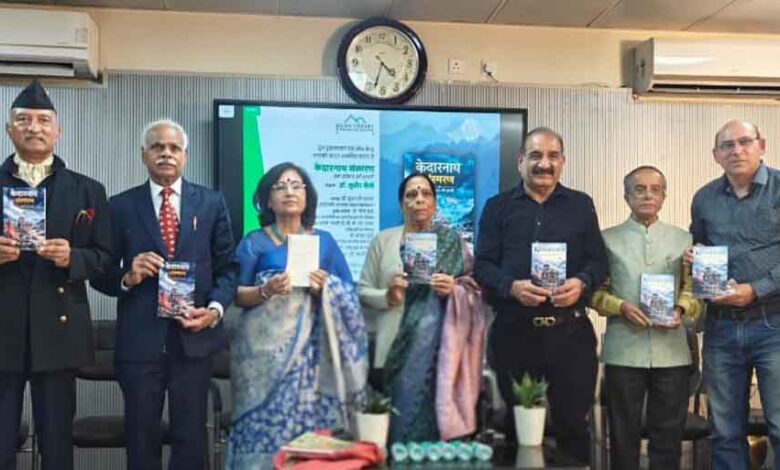
‘Kedarnath Sansmaran – Ek Doctor Ki Diary’ by orthopaedic specialist Dr Sudhir Shaili was released in both Hindi and English at the Doon Library and Research Centre on Thursday. The book is based on his personal experiences, first-hand accounts and observations of the events surrounding the June 2013 disaster, particularly the medical and relief efforts.
The programme was presided over by Uttarakhand Sanskrit University former vice chancellor Sudha Rani Pandey with Uttarakhand State Commission for Protection of Child Rights (SCPCR) chairwoman Dr Geeta Khanna as the chief guest and AIIMS Guwahati president Dr BKS Sanjay, former director general of police Anil Raturi and others as special guests.
Shaili said that as a medical professional, he witnessed at close quarters the treatment of the injured, the determination and struggles of those engaged in rescue and relief operations, the shortage of essential resources, and the suffering of affected families. This book is not merely a chronological account of a natural disaster but also a first-hand testimony to human compassion, courage, service, the dedication of medical personnel and the struggle for survival in extremely challenging circumstances, he said.
Addressing the gathering, Sanjay said that lessons from the Kedarnath disaster must guide efforts to strengthen disaster preparedness, public safety and emergency healthcare through scientific planning, timely weather alerts, public awareness and healthcare services. He advocated daily pilgrim limits based on the carrying capacity of routes, online registration, regulated movement and improved traffic management. He also recommended medical centres along pilgrimage routes, equipped with trained doctors, nursing staff, oxygen, essential medicines, ambulances and emergency facilities.
Other speakers appreciated the publication as a meaningful initiative towards preserving important personal accounts of the disaster and the experiences associated with medical services during the tragedy. They observed that such works go beyond providing an immediate account of an event and help readers understand its wider social, human and historical dimensions.