Review of 400-metre ban begins in Rishikesh-Karnprayag railway freeze zone

PIONEER EDGE NEWS SERVICE/Dehradun
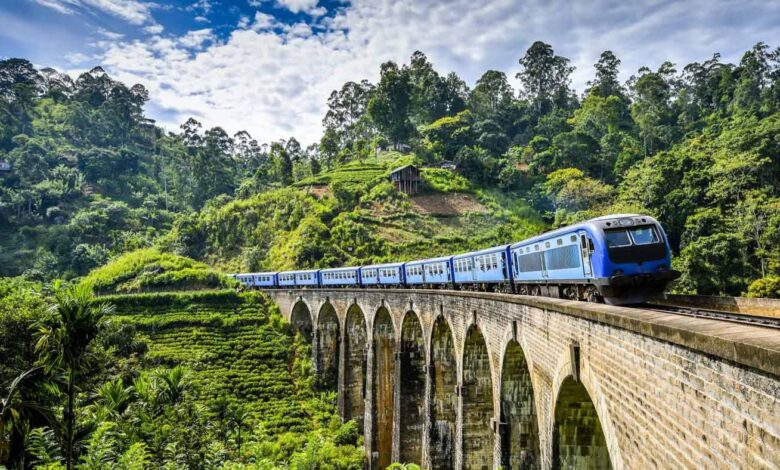
The ambitious Rishikesh-Karnprayag rail project is expected to drastically change transport in the mountains while also lending a new direction to the economic and social future of the mountainous regions. With majority of the project work now in the final phase, the State government is moving forward towards reviewing the restrictions which had been put in place for safety reasons during the project’s construction work.
On chief minister Pushkar Singh Dhami’s directions, the Housing department has started the process of reviewing the 400-metre restriction implemented in the railway freeze zone. Housing secretary R Rajesh Kumar has directed the district magistrates and departmental officials concerned to prepare a detailed report on this. The aim of the government is to ascertain the areas where the railway track and related construction work has been completed and where development activities can be permitted in a phased manner. Officials said that this is not simply an administrative decision as it is also related to the hopes of thousands of people who have been affected for years by the restriction on tourism, residential and commercial activities.
Kumar said, “A review of the restrictions implemented in the railway free zone is being undertaken on the chief minister’s directions. Technical and administrative evaluation is being conducted of areas where the railway project is nearly complete. Our attempt is to provide better opportunities for development to the local public, entrepreneurs and investors without making any compromise with railway safety and technical standards. Practical solutions will be prepared while according equal priority to the interests of the public and the project,” he said.
It should be mentioned here that the Rishikesh-Karnprayag project is among the nation’s most challenging mountain rail projects. According to priority to safety during the project construction work, the Uttarakhand government had declared various areas connected to the railway corridor a freeze zone in January 2024. Following this, construction activities were prohibited within 400 metres from the project’s perimeter in areas including Yognagri Rishikesh, Shivpuri, Vyasi, Sirala, Tilwad Malla, Maletha, Srinagar, Dhari Devi, Tilna, Dhaultir and Gauchar. This was aimed at preventing a negative impact of uncontrolled construction on the railway project’s safety, tunnels and other technical structures.These restrictions played an important role in the progress of the project in a safe manner. However, the impact of the prohibitions eventually became visible at the local level with hotels, homestays, resorts, residential buildings and commercial projects being affected by stagnation.
Officials state that tourism plays an important part in Uttarakhand’s economy. The area of Garhwal through which this rail project is passing is also an important centre for religious and eco tourism. Considering this, the review of freeze zone restrictions is being viewed as a positive signal for local development. The government had been receiving suggestions from various areas about the restrictions proving detrimental to developmental activities with the majority of the railway track work having been completed. The Housing department has started evaluation of the situation at the ground level. If partial relaxation on the restrictions is provided according to technical examination and safety standards, it could open the way for development of hotels, resorts, homestays, residential colonies and commercial establishments in areas near the railway corridor. This will encourage private investment and increase employment and self-employment opportunities for the locals.
As the start of the Rishikesh-Karnprayag rail link is expected to cause a considerable increase in the tourist numbers, the development of tourism based infrastructure is also required.
The State government has also stressed that any relief will not be provided by compromising with railway safety. All technical, geological and safety aspects related to the railway will also be examined. The government’s aim is not to simply remove the restrictions but to also develop a balanced system which secures the long term interests of the railway project while enabling the locals to benefit from the development.