

ANJALI YADAV/Dehradun
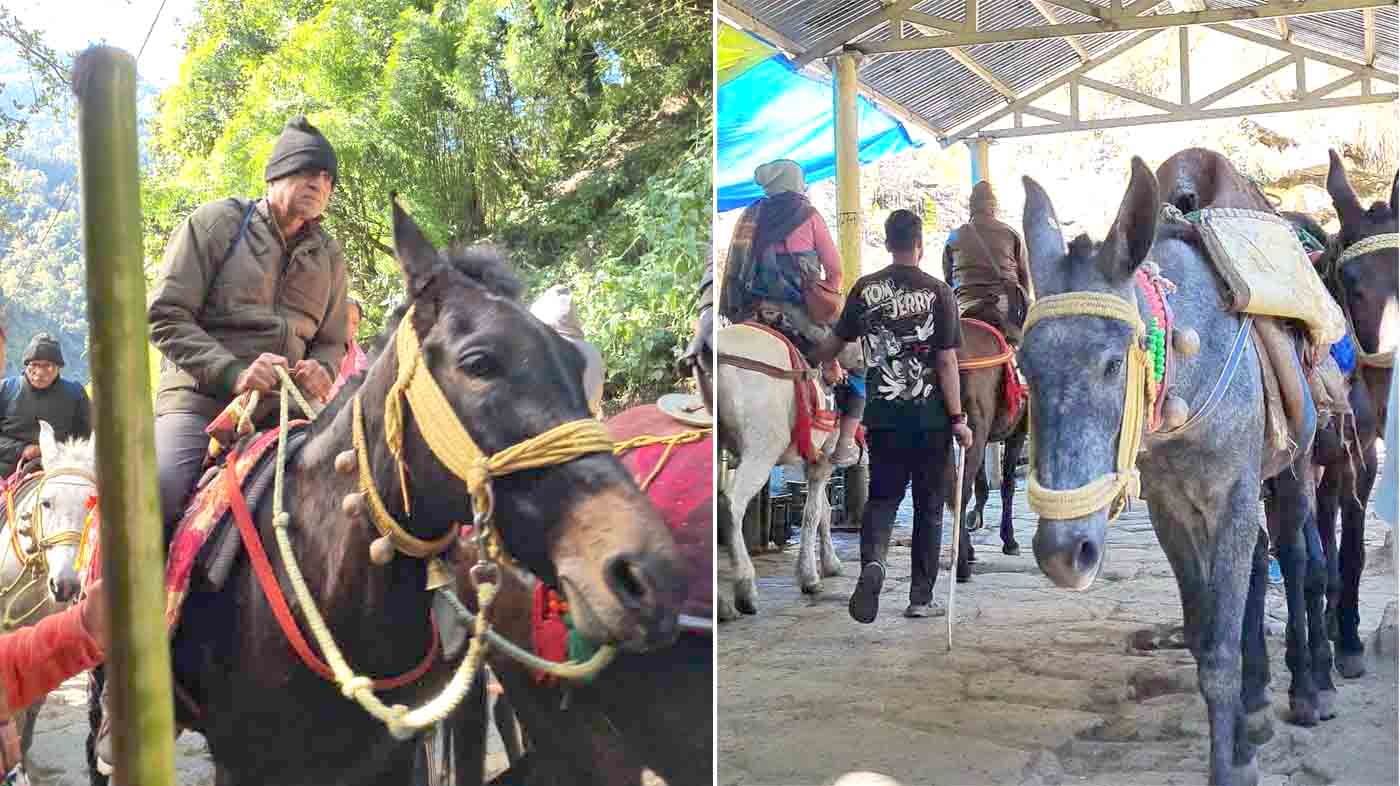
The Rudraprayag district tourism officer (DTO) Rahul Chaubey said that they have set the next pilgrimage season as the target for opening an eight-kilometer stretch of an alternative trekking route to Kedarnath, aiming to ease congestion on the existing trail, where pedestrians often have to share narrow stretches with horses, mules and Palkis. The new route is intended to improve safety and make the trek more convenient for pilgrims. However, the final plan for separating pedestrians from animal-based transport services has yet to be decided.
Chaubey said that the target was to open the route from the next pilgrimage season. Facilities such as medical camps, an office for administrative personnel, drinking water, electricity and toilets would also be developed along the stretch.
“The new route is being constructed to address the difficulties faced by pilgrims on the existing trek. The plan is to open it from the next season,” Chaubey said.
He said that the alternative route would diverge from the existing trail after about half its length and separate from it near Rambara. Around Rs 12 crore has been provisioned for the project, he added.
According to Chaubey, one proposal is to reserve the existing route for horses, mules and Palkis and use the new stretch for pedestrians. However, he said that no final decision had been taken on the arrangement. The administration would determine how pilgrims, horses, mules and palkis would be routed after construction is completed.
Horse operators have also called for separate routes, citing safety concerns on the existing trail. Manne Thapa, who takes pilgrims to Kedarnath on horseback said that the narrow and damaged path often becomes difficult to navigate when pedestrians, horses, mules and palkis move together.
“Animals can slip or fall while walking and pilgrims often get pushed or hit when everyone uses the same narrow route. This sometimes leads to arguments and abuse. We hope the new route will resolve these problems,” Thapa said. He added that the administration should also consider the livelihoods of horse operators while deciding how to separate pedestrian movement from animal-based services.
Rhea Bisht, who recently trekked to Kedarnath said that she repeatedly had to make way for horses and Palkis. The limited space sometimes left pilgrims being pushed aside, making the journey uncomfortable, she said.
The alternative route is expected to ease congestion, though its impact will depend on the final movement plan and the provision of basic facilities along the trail.