
PIONEER EDGE NEWS SERVICE/ Pithoragarh
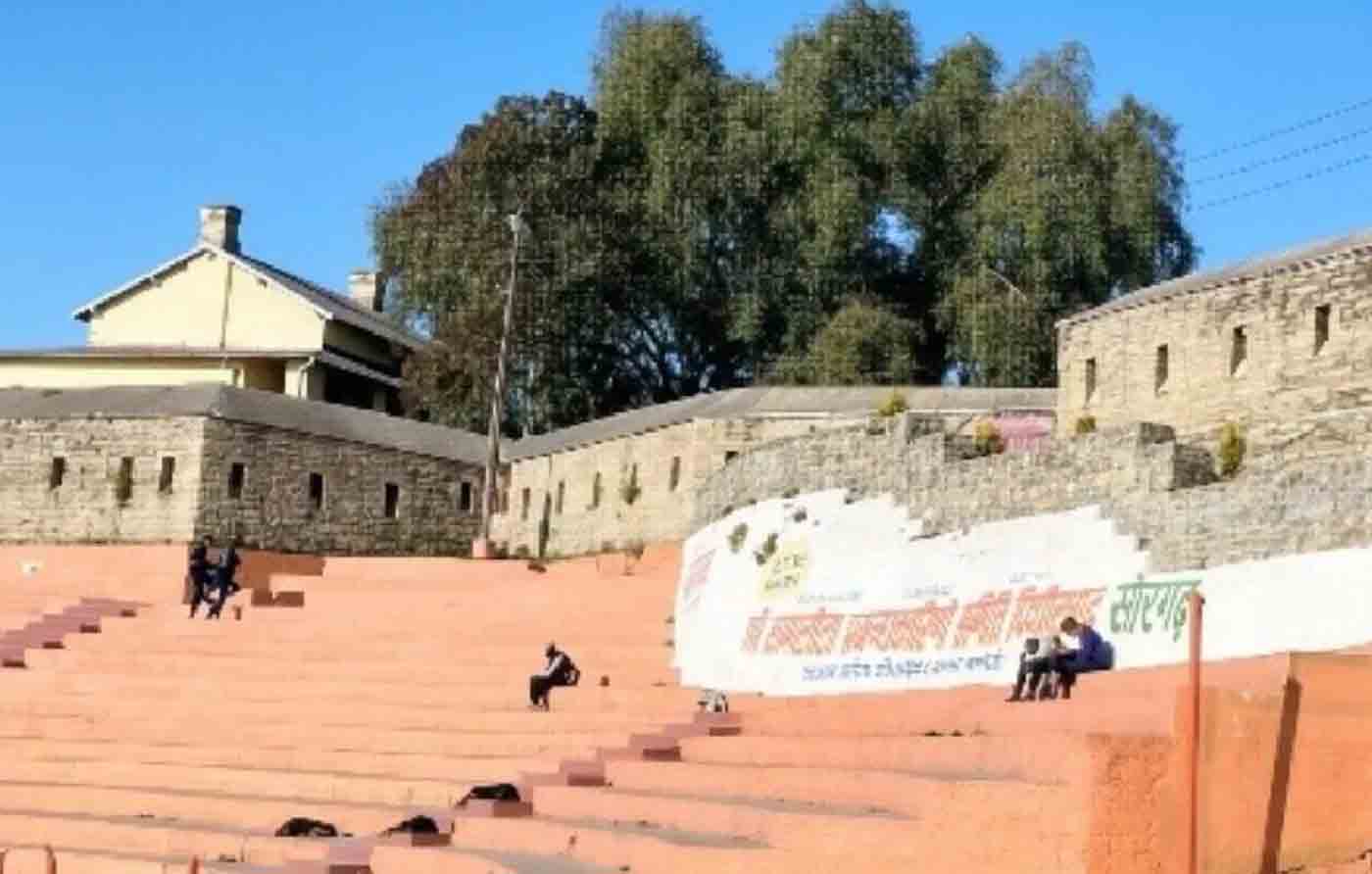
Handing over Pithoragarh’s historic London Fort and the medieval temples of Kasani and Dingas to the Archeological Survey of India (ASI) is being hailed as a vital move to safeguard the district’s rich archaeological wealth. The district-in- charge of archeological department, Chandra Singh Chauhan said that this initiative would pave the way for fresh research into Kumaon’s ancient religious traditions, sculpture and history associated with the Katyuri and Chand eras. “Furthermore, it will grant these historic sites in the border region renewed recognition on both national and international platforms,” he added.
A historian hailing from the district lauded the move, saying that the remote contours of Uttarakhand’s border districts harbour some of northern India’s most compelling, yet underappreciated, architectural treasures. “What happens is that historical landmarks situated far from the big cities are left to decay due to administrative ignorance and neglect and piecemeal regional upkeep,” he said.
Sharing more, he said: “In Kasani— just a few miles outside the district headquarters –stands an ancient shrine consecrated to Lord Vishnu, which is a structural and religious rarity in a mountain landscape predominantly defined by Shaivite and Shakta shrines. In Dingas, stone temple masonry captures the zenith of indigenous medieval Kumaoni design, providing physical continuity to centuries of Katyuri and Chand rule. Superimposed on this ancient topography is London Fort, built in the late 18th century as Bauli ki Garhi by the Gorkhas. Together, these sites form a living archive, a frontier heritage that chronicles the turbulent history, statecraft and geography of the Central Himalayas,” the historian added.
He further said that under national oversight, the mandate must go beyond erecting boundary walls and assigning caretakers. “It warrants systematic stabilisation of centuries-old stonework, precise documentation of fading epigraphs and sculptures and non-invasive structural diagnostics,” he noted.