Minister Naik discusses coconut waste-to-charcoal technology with ICL Climetech CEO

PIONEER EDGE NEWS SERVICE
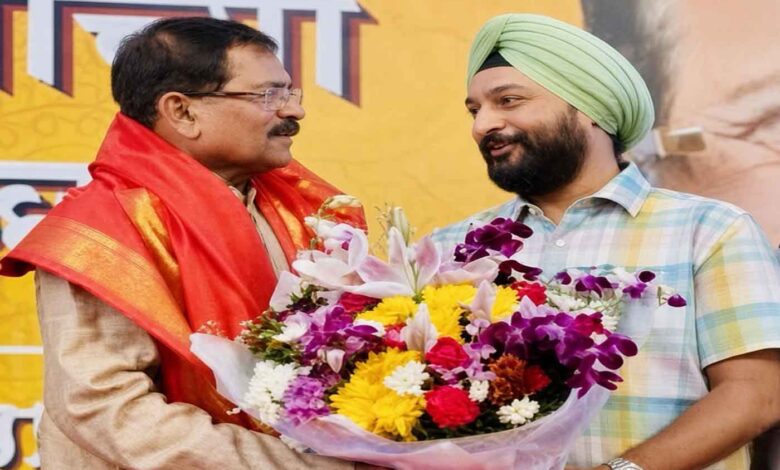
Union Minister of State for New and Renewable Energy and Power Shripad Yesso Naik was briefed on a biomass conversion technology aimed at converting discarded coconut shells, husks and other biomass residue into useful industrial products during a meeting with ICL Climetech CEO Paramjeet Singh Sehra in Old Goa.
Sehra met Naik on October 3 and discussed the potential application of the company’s biomass conversion technology for managing coconut waste generated in large quantities across coastal regions.
The discussion centred on ICL Climetech’s biomass reactor, which is designed to process different types of biomass and convert them into charcoal, wood vinegar and tar. The company has proposed deploying the technology to process coconut shells, husks and related residue that are often dumped at various locations.
The proposed technology could address two concerns simultaneously by reducing the accumulation of biomass waste while generating commercially useful products from material that otherwise has limited economic value.
Focus on biomass and industrial applications
Gurugram-based ICL Climetech operates in the fields of heat transfer and biomass conversion, with its technology platform focused on extracting value from different biomass feedstocks.
The charcoal produced through the process can be used in metallurgical applications, industrial process heating and other areas requiring solid industrial fuels. Wood vinegar and tar are also recovered as co-products, potentially adding further value to the biomass conversion process.
The company views biomass conversion as a potential link between waste management and renewable energy, particularly in regions where agricultural and organic residues are generated in large quantities.
Sehra said the company was seeking guidance from the Ministry of New and Renewable Energy to explore the technology under broader initiatives relating to bioenergy, waste-to-wealth and cleaner industrial fuels.
“Coconut residue becomes a hazard when dumped and reduces the usefulness of the sites where it accumulates. Our reactor is designed to process this material, along with other biomass, and produce charcoal for industrial use, besides wood vinegar and tar,” Sehra said.