1st batch of Kailash pilgrims laud arrangements, locals happy with pilgrim flow

PREM PRAKASH UPADHYAY/ Bageshwar
With the Kailash Mansarovar Yatra-being organised by the Union Ministry of External Affairs-continuing, the first batch of pilgrims on their return hailed the arrangements while saying that this pilgrimage would remain etched in their memory forever.
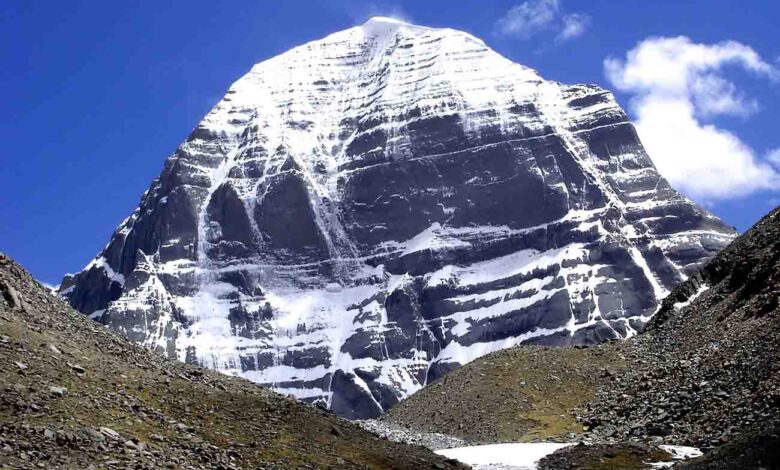
They said that Mount Kailash and Lake Mansarovar, nestled amid the snow-capped peaks, represent an eternal centre of faith, representing the loftiest expression of India’s spiritual consciousness. At the same time, they expressed deep appreciation for the services provided by the Indian Army, Indo-Tibetan Border Police (ITBP), the Border Roads Organisation (BRO) and the local administration. Many also welcomed the initiative of accompanying Indian cooks, describing it as a thoughtful measure that catered to both the practical needs and emotional comfort of the pilgrims.
Notably, Uttarakhand’s border district of Pithoragarh serves as the gateway to this sacred journey. Stops such as Dharchula, Gunji, Nabi Dhang and Lipulekh are challenging waypoints, but the arrangements made by the agencies concerned enable the pilgrims to complete the pilgrimage without many hurdles.
Speaking of his experiences of the pilgrimage, Harikrishna, the youngest pilgrim from Gandhinagar, Gujarat, said that he, along with his mother, had embarked on it and returned, satisfied with a sublime memory. “The darshan of Mount Kailash and Mansarovar Lake is an unforgettable, life-changing experience. My mother holds the same view and she thanks the administration, the Army and other agencies involved,” he added.
Vijendra Solanki from Delhi also lauded the coordination between India and China in facilitating the pilgrimage through the Tibetan region.
There are certain things though which, they said, needed improvement. They suggested that sanitation facilities, particularly toilets and bathing areas along the Mansarovar and the Parikrama route, require improvement.
The temporary closure of the Tawaghat-Lipulekh highway due to landslides, which stranded the first batch at Gunji and Budhi for two days, serves as a reminder that robust road infrastructure, rapid disaster response and reliable contingency plans are indispensable in this fragile Himalayan region.
The locals look happy too. They say that the construction of roads and bridges along the Lipulekh route over the past few years has made the pilgrimage considerably safer and more accessible. “The improved infrastructure not only facilitates religious tourism but also strengthens the local economy. It creates employment opportunities for border communities as well as reinforces national security,” said a local.
During the pilgrimage season, thousands of local residents earn their livelihoods as porters, mule handlers, drivers, hotel operators and guides. Consequently, the significance of the Kailash Mansarovar Yatra extends well beyond religious devotion, contributing meaningfully to social and economic development in India’s frontier regions.
It may be mentioned here that owing to the highway closure and the resulting two-day delay, the return itinerary of the pilgrims had to be revised. Instead of travelling to Delhi via Chaukhuri and Almora as originally planned, the group was brought directly from Dharchula to Pithoragarh before continuing its onward journey to the national capital.