
PIONEER EDGE NEWS SERVICE/Dehradun
A new report by the Social Development for Communities (SDC) Foundation on Saturday raised concerns over significant gaps in Uttarakhand’s preparedness for climate-related disasters, warning that glacier retreat, Glacial Lake Outburst Floods (GLOFs), avalanches and extreme weather events are increasing risks across the Himalayan state.
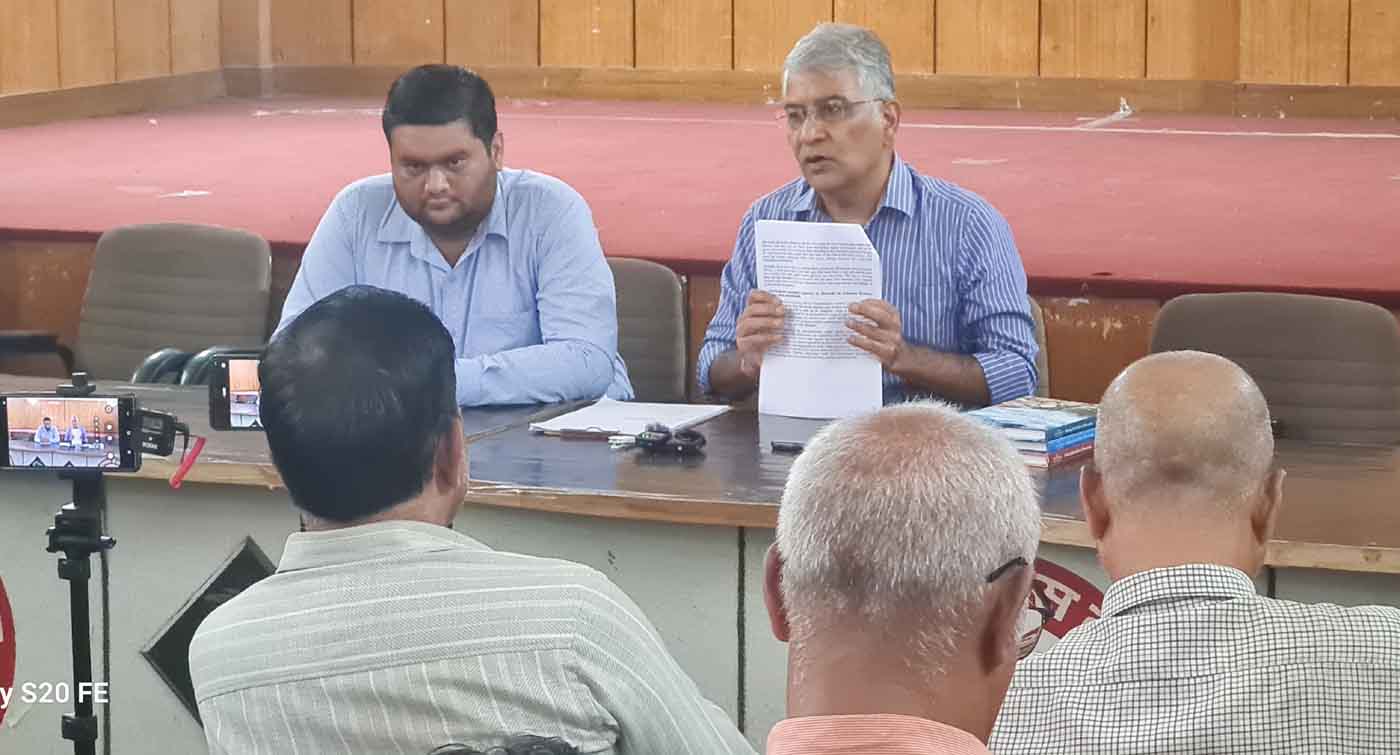
Titled “Uttarakhand at a Climate Crossroads-What Four Years of Disaster Reporting Tell Us About Glaciers, GLOFs and Avalanches,” the report was released at the Press Club Dehradun by SDC Foundation founder Anoop Nautiyal and Praveen Upreti.
Prepared under the Uttarakhand Disaster and Accident Analysis Initiative (UDAAI), the study reviews media reports published between October 2022 and June 2026. It analyses 28 documented updates and compares them with findings from institutions such as ISRO, the National Disaster Management Authority (NDMA), the Wadia Institute of Himalayan Geology, ICIMOD, IITs and several universities.
Nautiyal said that disasters in Uttarakhand should not be viewed as isolated incidents but as indicators of rapid environmental changes in the Himalayas that require stronger preparedness, accountability and long-term planning.
The report identifies a major gap between hazard assessment and preventive action. While the NDMA listed 13 potentially dangerous glacial lakes in Uttarakhand in 2024, including five in the highest-risk category, monitoring mechanisms and early-warning systems remain incomplete. It cited Vasudhara Lake as an example where a risk assessment had been completed but an early-warning system had reportedly not been installed.
The study also highlighted the presence of 219 hanging glaciers in the Alaknanda basin and noted continuing glacier retreat at all four Char Dham sites. It warned that expanding roads, hydropower projects, tourism and settlement growth in fragile mountain regions could further increase disaster vulnerability.
Among its recommendations, the report calls for time-bound action plans for high-risk glacial lakes, enhanced monitoring systems, climate-sensitive infrastructure planning and greater involvement of local communities in disaster preparedness and risk management efforts.