


GUEST COLUMN
The Indian Orthopaedic Association organised the IOA Bone and Joint Week 2025 from August 3 to 10. This year’s presidential theme was “Old is Gold: 360° Care for the Elderly”, ensuring dignity, mobility and longevity. Like many developed countries, India is also facing various health and social issues related to the elderly or geriatric population. Age-related medical problems tend to increase as the age advances. The ageing process entails a decrease in bone density, muscle mass and wear and tear of all joints, particularly the weight-bearing joints. These conditions lead to pain, stiffness and limited mobility, resulting in poor performance of daily activities.
We will confine ourselves to orthopaedic problems like osteoporosis, degenerative spine diseases and osteoporotic fractures. Osteoarthritis commonly presents with pain, stiffness and a reduced range of motion, mainly affecting weight-bearing joints such as the knees and hips. Osteoporosis is characterised by reduced bone density, resulting in fragile bones that are prone to fractures. The most common osteoporotic fractures occur in the wrist, spine and hip.
The treatment of osteoporotic fractures can vary—from bed rest with plaster or splint support to complex surgeries such as hip replacement or spinal decompression and fixation. These fractures often occur with trivial trauma. As bone density decreases, the risk of fractures increases significantly. Fractures are just one part of a broader set of orthopaedic problems seen in old age. As mentioned earlier, these are largely age-related issues. With increasing age, the degenerative process naturally progresses. Neurological problems are also becoming more common, often due to changes in lifestyle.
Other common spinal problems include degenerative spine diseases like chronic slipped discs and facet joint arthritis, which can lead to spinal stenosis (narrowing of the spinal canal). Spinal stenosis may present with neurological claudication, which causes painful and reduced mobility, leg fatigue, and in some cases, paralysis including disturbed bladder or bowel function.
Modern society is increasingly shifting towards comfort and convenience, which reduces physical activity. However, physical activity is crucial for maintaining bone and muscle strength. It is well known that exercise not only moves the limbs but also improves the function of various vital organs.
Falls can lead to fractures in any bone, but the wrist, spine and hip are especially vulnerable in the elderly. While falls can be dangerous for anyone, elderly individuals are particularly at risk. Like in other issues, prevention is the key. To prevent fractures and other chronic conditions such as osteoporosis, awareness is essential. People should focus on maintaining a balanced diet, engaging in regular physical exercise, keeping a healthy body weight, ensuring adequate sleep, avoiding stress, using walking aids when needed, keeping floors dry and clutter-free, and ensuring adequate lighting—especially at night. Prevention is better than cure and this starts with awareness and action.
Regular screening and physical check-ups can aid in early detection and timely treatment. Common and useful screenings include height, weight, skin thickness, waist size, pulse, temperature, respiration, blood pressure, SPO2, Hb, HbA1c, blood sugar, CBC, CRP, blood type, bone mineral density, ECG, ultrasound etc. Liver function tests and blood alcohol concentration, especially in alcoholics; serum creatinine, particularly in diabetics; thyroid function tests, especially in women with fluctuating weight; kidney function tests, especially in diabetics, hypertensive individuals and those prone to kidney stones. Pulmonary function tests are conducted especially for those with asthma, chronic smokers and individuals with other chronic obstructive pulmonary diseases. These tests can be highly effective in identifying diseases early, enabling timely and appropriate intervention. Screening aids in identifying lifestyle-related risk factors such as obesity and anaemia, allowing timely corrective measures to maintain mobility, independence and quality of life in old age.
With improvements in economic status and rapid technological advancement, longevity has increased. However, many health-related issues such as diabetes, hypertension, atherosclerosis, brain strokes and cardiac problems are also on the rise. Longevity should not always be seen as a blessing. It can sometimes become a curse if the individual is not healthy and happy, but instead lives with disabilities due to physical, mental, or social problems.
Inactivity often forces individuals into isolation and this isolation can itself lead to depression and feelings of humiliation. In recent years, isolation and loneliness were considered problems of the West, but they have now permeated Indian society as well. This has led to the rise of old age homes. These facilities provide physical care but often lack adequate mental health support, as mental issues are indirect in nature and cannot always be addressed through nursing and medical treatment alone. Socialisation is the antidote to isolation, but physical inactivity, mental resignation and certain family and social issues often hinder interaction with the broader society.
Increased longevity is one of the factors contributing to the rising incidence of age-related diseases. A reduction in the length of telomeres is considered a potential cause of cancer. It is well established that the longer the exposure to any carcinogen, the higher the chances of developing cancer. Carcinogens include pollutants, contaminants and adulterants. The senior author has experience conducting a clinical study which concluded that as the duration of exposure to carcinogens increases, so does the risk of cancer.
As far as orthopaedic problems are concerned, degenerative arthritis of the joints—particularly the weight-bearing joints and the facet joints of the spine—is a common issue. The invention of bone cement and the development of joint replacement surgery have greatly ameliorated the suffering of arthritic patients. Joint replacement has been described as the “operation of the century” in The Lancet, a renowned international scientific medical journal. The authors report excellent outcomes in some cases of hip replacement surgery which can last lifelong in appropriately selected patients. Similarly, spine surgery gives gratifying results particularly if the patient is having intolerable pain and some kind of neurological deficiency.
If older individuals receive timely and adequate medical care, along with essential family and social support, they can lead longer, healthier, happier, more mobile and dignified lives. Early intervention improves treatment outcomes, reduces complications and lowers healthcare costs.
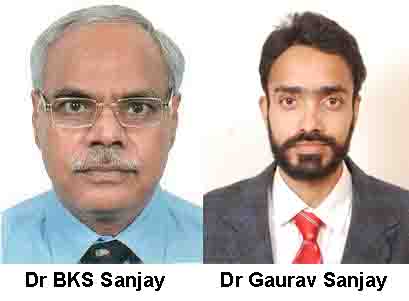
(The authors are orthopaedic surgeons based in Dehradun. The views expressed are personal)