
Striated Heron, Gadwall make hills their winter habitat, surprising ornithologists

PIONEER EDGE NEWS SERVICE/Bageshwar
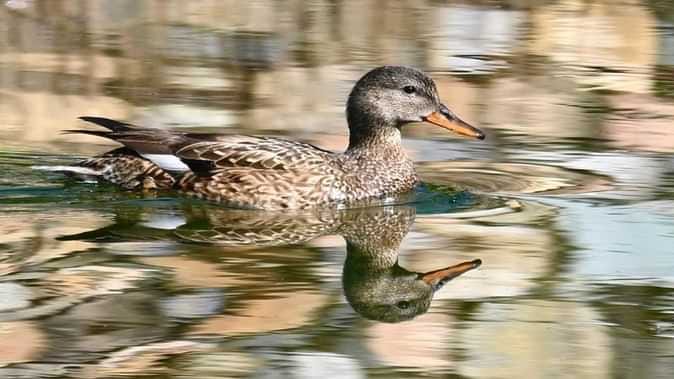
With the climate change effects being increasingly visible in the migration pattern of the nomadic birds in the Uttarakhand Himalayas, Striated Heron and Gadwall ducks, which are known to migrate to the plains in winter, are now reaching the hills, swimming upstream along rivers.
A Gadwall has been spotted in Garud, Bageshwar, indicating that changing climate patterns are affecting the migration routes and habitat range of many species. Birds that used to settle along coastal areas, plains, Bhabhar (Tarai) and reservoirs are now making their way to the Himalayan foothills. The presence of the Striated Heron and Gadwall has been recorded in the lower Himalayan belt, at altitudes between 600 and 1,500 meters above the sea level. This is surprising to the ornithologists. According to them, this change in their migration routes- revealed from a recent bird count survey- needs to be studied deeply. They, however, agree on one point that climate change is affecting their migration patterns. As per the survey, a total of 43 bird species have been spotted in Kapkot and Garud areas of Bageshwar district.
Speaking of the matter, a researcher and professor, Deepak Kumar, who headed the survey, said: “Birds are expanding their habitat range owing to climate change. The sighting of Gadwall (a duck species) in Baijnath and Striated Heron locally known as Dharidar Bagula in Kapkot is unusual. The Great Cormorant has been spotted this season, too.” Notably, Kapkote is located at an elevation of 1,150 metres while Baijnath stands at a height of 1,130 metres where these birds were seldom seen.
Echoing the same view, an avian expert associated with Corbett National Park, Ramanagar, Rajesh Bhatt said that these birds have been adapting well with the local climate. “The availability of diverse food options in and around rivers may be encouraging them to settle in mountainous areas,” he added.