
PIONEER EDGE NEWS SERVICE/Dehradun
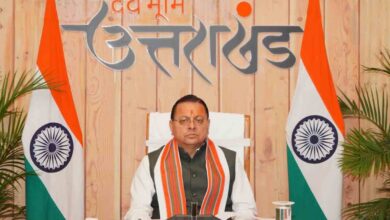
Amid the global crisis, the State Transport department has urged the public to adopt fuel-saving practices to reduce petrol and diesel consumption and has also issued suggestions related to this. This appeal follows Prime Minister Narendra Modi’s call for citizens to cooperate in decreasing fuel consumption due to the West Asia crisis. Chief minister Pushkar Singh Dhami and Transport minister Pradeep Batra have also encouraged the public, officials and employees to work together in saving fuel.
Deputy transport commissioner Shailesh Tiwari shared suggestions to increase vehicle mileage and reduce fuel consumption. He said that drivers should avoid speeding and sudden braking, as these habits waste fuel. Many drivers frequently change gears and use the clutch excessively, which can put pressure on the vehicle. It’s essential to use the appropriate gear based on the road conditions and speed, as driving in very low or high gear can increase fuel consumption.
Tiwari also recommended switching off the engine at traffic signals or when parked for more than 30 seconds. Maintaining proper tyre pressure is crucial; underinflated tyres can increase fuel consumption by 5-10 per cent because they require more engine power for speed and balance, as well as creating greater road friction. Drivers should check and maintain their tyre pressure regularly, he added.
He further suggested that avoiding vehicle overload is important, as excessive weight puts stress on the engine. For every 50 kilogrammes of extra weight, a vehicle’s fuel consumption can increase by up to two per cent. Keeping as much boot space empty as possible will also help save fuel. Leaving the air conditioning on while driving can significantly boost fuel consumption since the AC uses engine power to cool the air, reducing the power available for traction. Avoiding unnecessary use of the AC is also recommended, he said.
Tiwari said that regular maintenance, such as changing the air filter, engine oil and spark plugs, is essential. Dirty filters can reduce engine performance, so regular servicing of the vehicle helps to keep the engine running smoothly. He also suggested that carpooling is another effective strategy. When multiple individuals traveling to the same destination share a single vehicle, it can lower travel expenses, save fuel, decrease traffic and reduce harmful carbon emissions. Tiwari also suggested that using public transportation is one of the most effective ways to reduce fuel consumption and emissions. Opting for public transport instead of personal vehicles also lessens per capita fuel use.