

GUEST COLUMN
 Dr BKS Sanjay
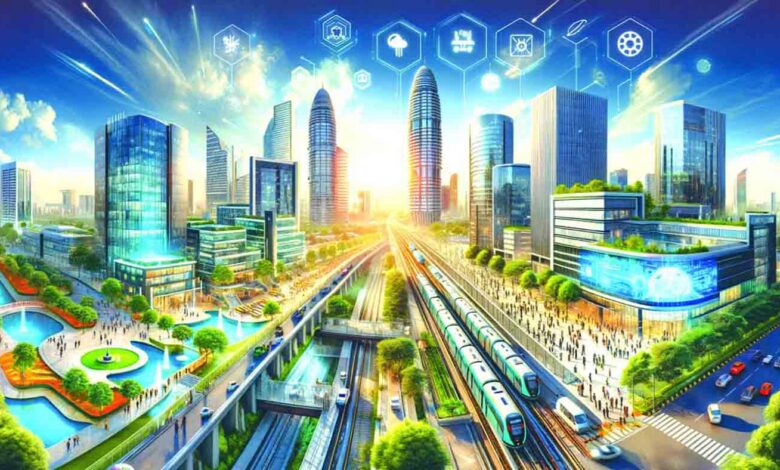
Even as we focus on environmental conservation, it is important to recognise that public health is shaped not only by hospitals and healthcare systems but also by the environment in which people live. The roads we travel on, the houses we occupy, the air we breathe and the cities we build profoundly influence our physical and mental well-being.
Our traditional wisdom which has long understood this reality reminds us that every living being develops according to its environment. Our surroundings influence behaviour, habits and aspirations. Modern science confirms that healthy environments create healthy citizens.
As an orthopaedic and spine surgeon, I have spent decades treating injuries, disabilities and trauma. Over the years, I have become convinced that many of the problems seen in hospitals originate far outside hospital walls. They begin with poor planning, unsafe roads, unhealthy housing, environmental degradation and inadequate public infrastructure. Road safety begins long before a vehicle enters the road. It begins with urban planning. Roads are the lifelines of society, just as arteries are the lifelines of the human body. When arteries become blocked, the body suffers. Likewise, when roads are obstructed by encroachments, illegal parking, congestion and poor planning, society suffers. Encroachments on roads should not be viewed merely as administrative violations. When an encroachment delays an ambulance, obstructs a fire tender, increases accident risk or restricts movement during emergencies, it directly endangers human life. In my view, deliberate encroachments on public roads and rights-of-way should be treated as serious offences and dealt with accordingly. Protecting roads is not merely an issue of urban management; it is a matter of public safety and public health.
The concept of the golden hour in trauma care highlights this reality. The first hour after a serious injury is often crucial for survival. Yet in many cities, ambulances struggle to reach patients because roads have effectively disappeared beneath congestion and encroachments. A city that cannot provide timely emergency access cannot claim to be a healthy city.
Urban planning must also address the growing distance between home and workplace. Every city depends upon teachers, healthcare workers, drivers, security personnel, technicians, domestic helpers and countless other service providers. Yet many spend several hours commuting every day.
Long commuting distances increase stress, consume productive time, contribute to pollution and adversely affect family life. A sustainable city should aim to reduce commuting time and distance for all sections of society. The objective of urban planning should not be to enable people to travel farther but to enable them to live closer to where they work. A city functions best when people spend more time living and less time commuting. There is much to learn from Chandigarh, where I received part of my medical training and later lived and worked at PGI Chandigarh for nearly two decades. This experience allowed me to witness firsthand the benefits of scientific urban planning. Its wide roads, green belts, organised sectors and open spaces demonstrate how thoughtful planning can enhance quality of life. Chandigarh also provides public spaces and civic amenities for people from different economic backgrounds. A well-planned city must serve every citizen, irrespective of economic status.
Housing is another important determinant of health. In many metropolitan areas, people are increasingly forced into overcrowded and poorly ventilated living conditions that may be described as “rat-hole living”. Such environments often lack sunlight, fresh air, green spaces and opportunities for recreation. This raises a fundamental question- do we merely need an enclosure for living, or do we need air, sunlight and a healthy environment in which to live?
In my profession, I frequently encounter patients suffering from vitamin D deficiency, osteoporosis and other musculoskeletal disorders. One contributing factor is inadequate exposure to sunlight, particularly among urban populations living in densely packed buildings. In my own home, I have consciously ensured that almost every room receives adequate sunlight and fresh air throughout the day. In addition, every room has provision for both air inflow and air outflow through exhaust systems, ensuring continuous air circulation and preventing stagnation of indoor air. This has been achieved not through expensive technology but through thoughtful planning and design. I strongly believe that every building should be designed to maximise natural light and ventilation. Where direct cross-ventilation is difficult, simple architectural solutions such as ventilation ducts, air shafts and properly planned exhaust systems can significantly improve indoor air quality. We routinely provide exhaust fans in bathrooms and kitchens, but equal attention should be given to living rooms, bedrooms, study rooms, offices and workplaces. Such practical measures can improve health, comfort, energy efficiency and overall quality of life without substantially increasing construction costs. Healthy buildings should therefore provide more than shelter; they should provide sunlight, ventilation and conditions that support physical and mental well-being.
Urban planning must also recognise the importance of parks, playgrounds, community centres, walking tracks and open spaces. These are not luxuries; they are investments in public health and social well-being. An equally important principle is the concept of a green urban boundary. Every house has a boundary wall that defines and protects its space. If individual homes require boundaries, why should cities not have ecological boundaries as well?
Uncontrolled urban expansion often consumes agricultural land, wetlands, forests and open spaces. Every city and town should, wherever feasible, be surrounded by a green belt or forested zone. Such a peripheral forest would act as the lungs of the city, just as our lungs sustain the human body. I often compare roads to the arteries of society. By the same logic, urban forests and green belts are the lungs of a city. These green belts improve air quality, absorb carbon dioxide, reduce urban heat, conserve biodiversity, recharge groundwater and help maintain ecological balance.
Another important aspect of development is the quality of construction itself. Roads, buildings, electrical systems, plumbing networks and public infrastructure must be designed and executed by trained and qualified professionals. While “jugaad” may occasionally solve minor problems, it cannot replace scientific planning, engineering standards and professional competence. Throughout my career, I have witnessed the consequences of unsafe roads, unsafe buildings and unsafe systems. Behind every injury is a human story, a disrupted family and a social cost that extends far beyond the individual patient.Every accident prevented saves a life. Every safe road protects a family. Every healthy building improves quality of life. Every green space strengthens community well-being, and every safe city strengthens society.
The purpose of development is not merely concrete, steel or technology; the true purpose of development is human well-being. Infrastructure is only a means; people are the ultimate end. If we keep human beings at the centre of planning, design and decision-making, safe cities and healthy living will naturally emerge. Such cities will not only support economic growth but will also nurture healthier, happier and more productive citizens. That is the urban future India should aspire to build.
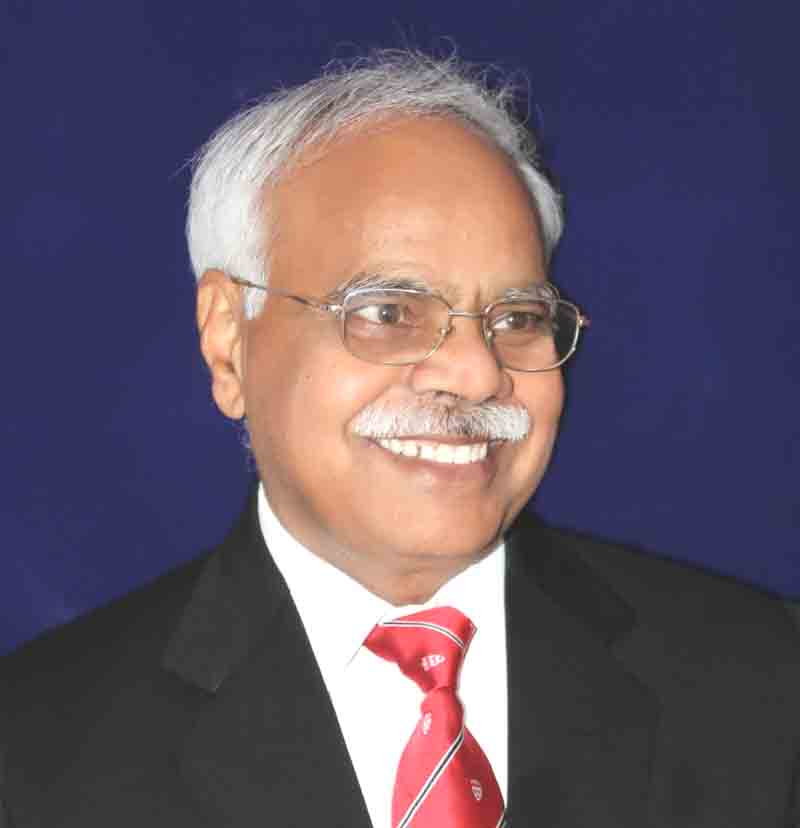
(A Padma Shri recipient orthopaedic surgeon, the author is president of AIIMS Guwahati; views are personal)