Uttarakhand Gau Seva Ayog proposes stricter penalties for abandonment and trafficking


PIONEER EDGE NEWS SERVICE/Dehradun
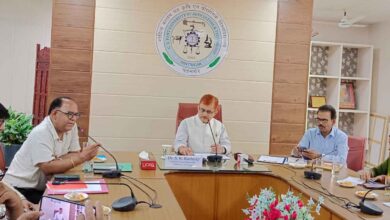
People who abandon cows on roads in Uttarakhand may soon face a fine of Rs 10,000 instead of the current Rs 2,000 and those involved in cow trafficking could face 10 years of imprisonment along with a Rs five lakh fine. These proposals were approved during the executive meeting of the Uttarakhand Gau Seva Ayog held at the Pashudhan Bhawan in Mothrowala on Thursday under the chairmanship of the Ayog’s president Rajendra Anthwal. The meeting reviewed the status of cow shelters across districts and discussed the progress of ongoing construction under the Urban Development and Panchayati Raj departments. The Ayog directed the departments concerned to expedite the pending construction work of cow shelters and resolve all associated issues including timely payments. It also instructed officials to ensure proper treatment and care for injured and sick cattle and to maintain sufficient lifting vans for the purpose. Anthwal also expressed dissatisfaction with the slow progress of shelter construction in the Dehradun district and municipal areas and called for strict enforcement against those involved in cruelty or trafficking of cattle. He proposed appointing legal advisors to handle related cases and recommended that cow shelters be provided with nutritious fodder, with the cooperation of the department supplying fodder at subsidised rates. During the meeting, members also passed a proposal to recommend declaring the cow as the Rashtramata and urged the central government to frame uniform laws across the country for the prevention of cattle-related crimes. The Ayog also decided to implement mandatory registration, tagging and photography of cattle in both rural and urban areas. Additional proposals included forming a dedicated Cow Protection Squad within the Police department, ensuring regular vehicle checks at State borders, making birth and death registration of cattle compulsory and establishing Nandishalas for male cattle under district and municipal administrations. Anthwal also proposed promoting indigenous cow breeds through incentive schemes, stopping the supply of husks to mills to address fodder shortages, allocating sufficient funds for cow welfare work, simplifying the registration and recognition process for cow shelters and identifying and clearing encroachments from grazing lands.