
GUEST COLUMN
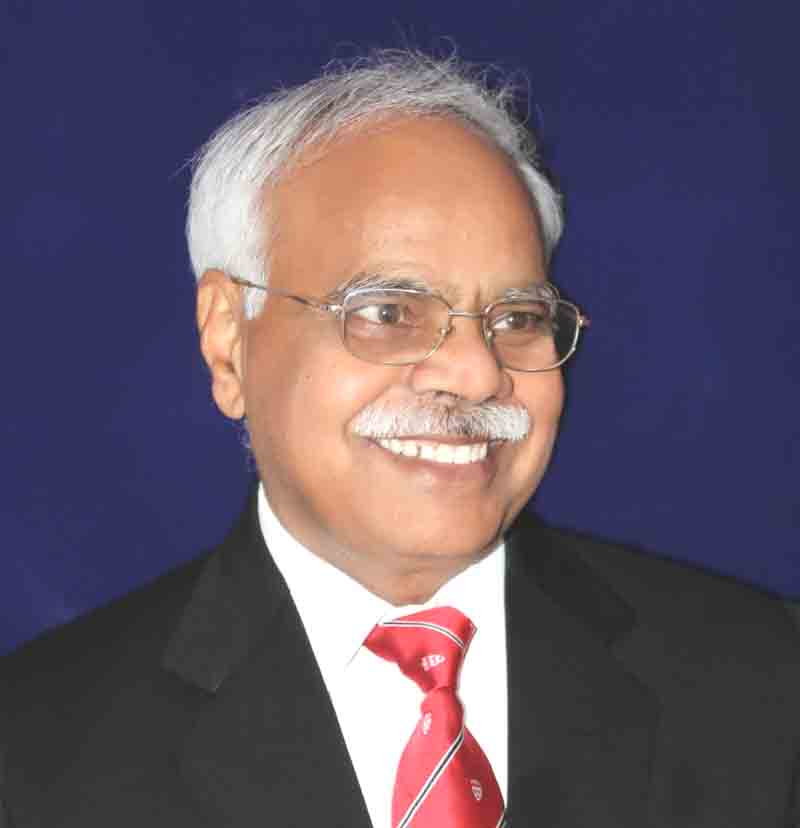
 Dr BKS Sanjay & Dr Gaurav Sanjay
India celebrates National Doctors’ Day annually on July 1 to commemorate the birth and death anniversary of the legendary physician, educator, freedom fighter and statesman Dr Bidhan Chandra Roy. A Bharat Ratna awardee, Roy dedicated his life to patient care, medical education, public health and nation-building. Remarkably, he was born on July 1, 1882 and passed away on July 1 in 1962, making the day a fitting tribute to his extraordinary legacy. His life exemplified the highest ideals of the medical profession—clinical excellence, compassion, integrity and service to society. As we celebrate National Doctors’ Day 2026, it is an opportune moment not only to honour his contributions but also to reflect on the evolving role of doctors in building a healthier and safer India.
Traditionally, doctors have been viewed as professionals who diagnose diseases, prescribe medicines and perform surgeries. While these responsibilities remain central to medical practice, the health challenges facing modern India demand a broader role. Today’s doctor must not only be a healer but also an educator, motivator, advocate and ambassador of preventive healthcare. India is witnessing a rapid rise in lifestyle-related diseases. Diabetes, hypertension, obesity, heart disease, thyroid disorders, osteoporosis and musculoskeletal problems are affecting people at increasingly younger ages. Alongside these conditions, road traffic accidents continue to claim thousands of lives and leave many more permanently disabled every year. Most of these problems are preventable, yet they continue to burden families, communities and the healthcare system.
As orthopedic surgeons, we encounter these consequences everyday. We treat fractures caused by road crashes, joint problems resulting from obesity and mobility issues linked to sedentary lifestyles. While surgery can restore function and relieve suffering, we often ask ourselves a simple question: could this condition have been prevented in the first place? The answer, in many cases, is yes. A helmet can prevent a fatal head injury. A seat belt can save a life. Regular exercise can delay the onset of diabetes and hypertension. Maintaining a healthy weight can reduce stress on joints and lower the risk of heart disease. Simple lifestyle modifications can significantly improve quality of life and reduce healthcare costs. Prevention is not only better than cure; it is often the most effective cure. This is why Doctors’ Day should be more than a ceremonial occasion. It should become a national movement for preventive healthcare.
We believe that every hospital, medical college, professional association, nursing home and private clinic should use this day to organise free community health camps and awareness programmes. Such initiatives can educate citizens about healthy living, early disease detection, road safety and the importance of regular health check-ups. These camps need not be limited to medical examinations. They can include interactive sessions on nutrition, physical activity, stress management, fall prevention among senior citizens, workplace ergonomics, bone health and safe driving practices. Schools, colleges, resident welfare associations and community groups can become active partners in these efforts. Doctors occupy a unique position of trust in society.
When a doctor speaks about health, people listen. This influence carries a responsibility that extends beyond a clinic’s walls. By promoting preventive health measures, doctors can help reduce the disease burden before it reaches hospitals. Road safety deserves special attention. Every road accident victims represent not merely a medical case but a personal tragedy. Families lose breadwinners, children lose parents and communities lose productive citizens. The physical injuries we treat are visible while the emotional and economic consequences are often lifelong. Public awareness about helmet use, seat belts, responsible driving, speed control and avoiding mobile phone use while driving can save countless lives. Similarly, combating obesity should become a national priority. Obesity is not merely a cosmetic concern; it is a major risk factor for diabetes, hypertension, heart disease, arthritis and several other health conditions. Encouraging regular exercise, balanced nutrition and active lifestyles must become part of routine healthcare counselling.
The future of healthcare cannot depend solely on hospitals and advanced technology. It must also be built on healthy communities, informed citizens and preventive action. While medical science continues to achieve remarkable breakthroughs, the greatest success will always be preventing disease and injury before they occur.
On this National Doctors’ Day, let us honour the Roy’s legacy not only by celebrating the achievements of doctors but also by reaffirming our commitment to public service. Let us step beyond the operation theatre, beyond the clinic and beyond the hospital to engage directly with the communities we serve. A healthier India will not be built by doctors, governments and patients working in silos. It will be built through a shared commitment to prevention, awareness and responsible living. The most successful doctor is not necessarily the one who performs the most surgeries. It is the one who helps people remain healthy enough to avoid them.
(The authors are Dehradun-based orthopedic surgeons, columnists & road safety advocates; views expressed are personal)