

 Dr Pawan Gupta
PIONEER EDGE NEWS SERVICE/ Dehradun
In the ongoing global battle against tobacco, countries around the world are navigating a complex landscape. While the ultimate goal remains a tobacco-free world, an increasing number of nations are exploring multi-pronged strategies that go beyond traditional cessation methods. As public health professionals, it is important for us to observe and understand these diverse approaches, particularly those centred on tobacco harm reduction and consider what they mean for the future of public health.
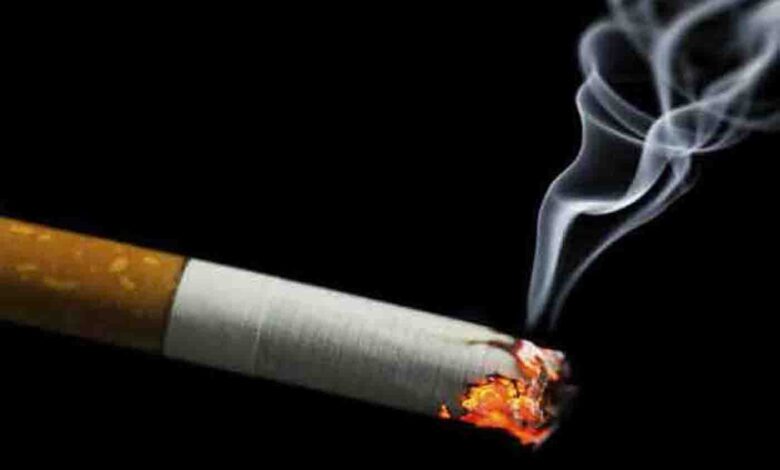
The core of the issue lies in the well-established fact that the combustion related to burning of tobacco is the primary driver of tobacco-related diseases. When a cigarette is lit, it generates smoke containing thousands of chemicals, many of which are known to be toxic and carcinogenic. It is this process that poses the greatest risk. This understanding has led to the development of products that eliminate combustion.
One such innovative category is Heated Tobacco Products (HTPs). These devices operate on a simple yet crucial principle: they heat tobacco to a temperature of around 350°C, which is sufficient to release nicotine and a tobacco flavour, but far below the 900°C required for combustion. This process, as documented in scientific literature, results in an aerosol with substantially fewer and lower levels of harmful and potentially harmful constituents compared to cigarette smoke. For instance, a systematic review and meta-analysis of randomised controlled trials concluded that switching from burnt tobacco to HTPs showed a reduction in some biomarkers of harm. It is this reduction in exposure to toxicants that forms the scientific basis for the harm reduction debate.
The global response to HTPs has been varied, reflecting different national public health priorities. The US Food and Drug Administration (FDA), for example, authorised the marketing of a leading HTP brand as a ‘modified risk tobacco product’ based on scientific evidence that it significantly reduces exposure to at least 15 specific harmful chemicals, though it explicitly stated the product is not a cessation aid and is not risk-free.
This decision highlights a regulatory perspective that acknowledges a hierarchy of risk among tobacco products. Similarly, in Japan, the introduction of HTPs has been associated with a significant decline in cigarette sales. Research published in Tobacco Control observed a rapid shift in the Japanese market, where HTPs have become the second most used tobacco product, contributing to a notable reduction in cigarette consumption.
In India, the public health policy is steadfastly committed to a 100 per cent tobacco-free vision and the government’s ban on certain products reflects a strong, preventative approach. This stance prioritises the protection of public health and prevents the introduction of new products that could pose a risk, particularly to the youth. However, as public health experts, it is also important to be aware of the diverse global strategies being implemented.
The conversation around HTPs serves as a powerful case study, highlighting a global dialogue about tobacco control that not only focuses on cessation but also explores innovative, evidence-based harm reduction strategies. This dialogue can provide valuable insights for continually evolving our efforts to combat the devastating effects of tobacco use in our country.
(The author is the senior consultant, Pulmonary Medicine, at BLK-MAX Super Specialty Hospital, New Delhi. Views expressed are personal)