
GUEST COLUMN
 Kripa Nautiyal
Uttarakhand has achieved a historic milestone that may prove to be a double-edged sword. In 2025, the State welcomed over six crore tourists and pilgrims for the first time since its formation in 2000—a remarkable achievement that underscores the Himalayan State’s growing appeal as a premier tourist destination. However, this accomplishment has exposed a critical gap between tourist arrivals and the infrastructure needed to manage them sustainably. The question is no longer whether Uttarakhand can attract massive numbers of visitors, but whether it can handle them without triggering ecological collapse.
The reality check: Infrastructure buckling under pressure
The six crore tourist milestone isn’t a distant target—it’s the current reality the State is grappling with. Uttarakhand’s narrow mountain roads, designed decades ago for far smaller traffic volumes, now groan under endless vehicle convoys. Waste management systems are overwhelmed with garbage accumulating in popular destinations and spilling into rivers and forests. Water scarcity has become routine during peak seasons, affecting both residents and visitors.
The State’s fragile Himalayan ecology is sending distress signals that can no longer be ignored. The 2013 Kedarnath disaster, the 2021 Jyotirmath land subsidence crisis, and the recent 2025 Dharali and Tharali disasters serve as reminders that the carrying capacity of these fragile ecosystems is being exceeded with alarming regularity. These aren’t natural disasters—they are human-made catastrophes resulting from development decisions that prioritised short-term economic gains over long-term sustainability.
The current environmental crisis
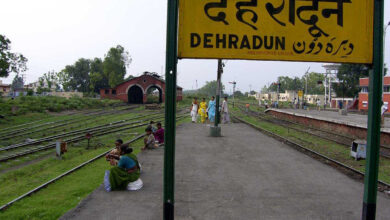
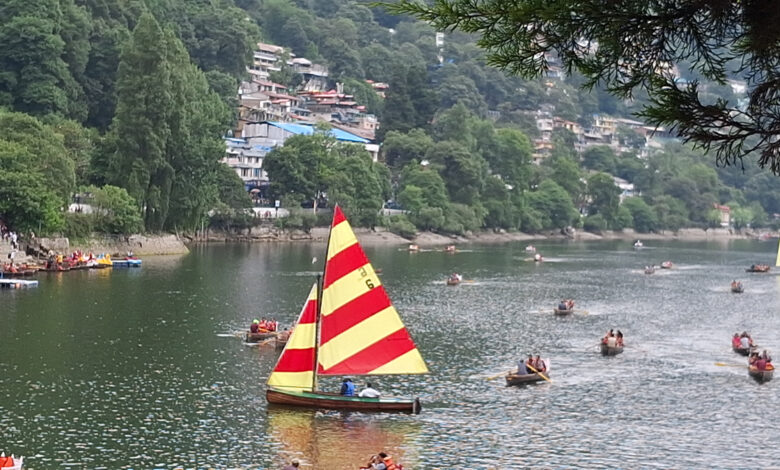
Popular destinations are experiencing unprecedented stress. Dehradun’s air quality deteriorates sharply during tourist season. Mussoorie struggles with traffic gridlock so severe that visitors spend hours crawling up the mountain road. Nainital’s lake faces pollution from inadequate sewage treatment. Rishikesh battles noise pollution, plastic waste along the Ganga and the environmental impact of adventure tourism. Chakrata, the new entrant in tourism, has already started facing traffic jams and infrastructure scarcity during snowfall and peak season.
The environmental costs are mounting rapidly. Vehicular emissions have created air quality concerns in areas once known for fresh, clean air. The construction boom has accelerated deforestation, threatening wildlife habitats and disrupting ecological balance. Water resources are under severe strain. Perhaps most alarming is the geological instability being exacerbated by construction activity in these young, growing mountains prone to landslides and earthquakes.
Learning from global models
Several mountain tourism destinations have successfully managed mass tourism while protecting their environments. Switzerland demonstrates that strict regulation and quality-focused tourism can coexist with robust visitor numbers through extensive public transport networks, strict building codes and dynamic carrying capacity management. New Zealand’s conservation first approach emphasises that tourism operators meet strict environmental standards and contribute to conservation efforts. They issue limited daily permits to tourist destinations and invest revenue directly into conservation, creating a virtuous cycle where tourism funds its own environmental protection.
A roadmap for Uttarakhand
Carrying capacity assessments must determine sustainable tourist numbers for each destination while vehicle restrictions should limit private vehicles in sensitive zones, replacing them with electric shuttles and improved public transport. Environmental compliance requires rigorous enforcement of building codes, regular audits, substantial penalties and construction moratoriums in fragile zones.
Further, community-centric development must ensure local residents benefit through training programmes, homestay networks and revenue-sharing mechanisms. Dynamic pricing with higher peak-season fees and advance booking requirements can distribute visitors evenly while funding conservation. Environmental education through orientation programmes and interpretation centres should transform tourists into conservation partners. Infrastructure investment in water systems, renewable electricity, medical facilities and communication networks cannot wait.
The path forward: 2030 target requires 2026 action
Uttarakhand’s goal of reaching seven crore tourists by 2030 represents just five years—barely enough time to implement comprehensive changes required. The State government must immediately establish a high-powered sustainable tourism authority with genuine decision-making power. This body should include environmental scientists, urban planners, community representatives and tourism professionals. Financing requires innovative approaches. A tourism development cess could generate resources for infrastructure and conservation. Green bonds could attract environmentally conscious investors. Tourism revenues should be earmarked specifically for tourism infrastructure and environmental protection.
Transparency and accountability are also essential. Regular public reporting on environmental indicators would allow citizens to track progress. Independent environmental audits should be published. Penalties for violations must be substantial enough to deter violations.
The choice that cannot be postponed
Uttarakhand stands at a critical juncture. The disasters at Kedarnath, Jyotirmath, Dharali and Tharali aren’t anomalies—they’re predictable consequences of exceeding environmental carrying capacity. The traffic congestion, water scarcity, waste overflow and air pollution aren’t temporary inconveniences—they’re symptoms of a system operating beyond sustainable limits.
The path forward requires acknowledging uncomfortable truths: not all growth is good growth, some economic opportunities must be foregone to preserve ecological integrity and the Himalayas’ fragility demands respect rather than exploitation.
But this needn’t be a story of limitations. Done right, sustainable tourism can generate more revenue with fewer visitors, create better employment opportunities, provide superior experiences commanding premium pricing and ensure the Himalaya remain magnificent for generations. Switzerland and New Zealand have proven that environmental protection and economic prosperity can reinforce each other. The clock is ticking. With 60 million tourists already arriving and 70 million targeted within five years, Uttarakhand must act now with comprehensive implementation of proven sustainable tourism practices. The State’s natural beauty is its greatest asset, but it can be destroyed far more quickly than it can be restored.
The Himalaya have stood for millions of years. The question before Uttarakhand’s policymakers, tourism operators and citizens is whether they will ensure these mountains remain standing, pristine and magnificent, for millions more—or whether the pursuit of tourist numbers will leave behind a degraded landscape that no one wants to visit. The choice must be made now, because inaction is itself a choice—one with consequences that may prove irreversible.
(The author is a retired Additional Director General of Indian Coast Guard and a widely travelled anthropologist; views expressed are personal)