

CHANCHAL GOLA/ Ramnagar
Tiger—the most powerful and most cunning predator of the jungle — is called the ‘Chanakya of the jungle’ not for nothing. Every move it makes is strategic and every gaze it casts is a calculation of the hunt. In such a situation, rescuing a tiger that is injured, sick or has turned aggressive is nothing short of staring at an imminent death in the eye. This dangerous challenge is accepted time and again by the wildlife veterinarian at Corbett Tiger Reserve, Dr Dushyant Sharma. Experts like him who stand firm on this dangerous frontline of wildlife conservation, are not only saving human lives but are also giving a second life to the majestic king of the jungle.
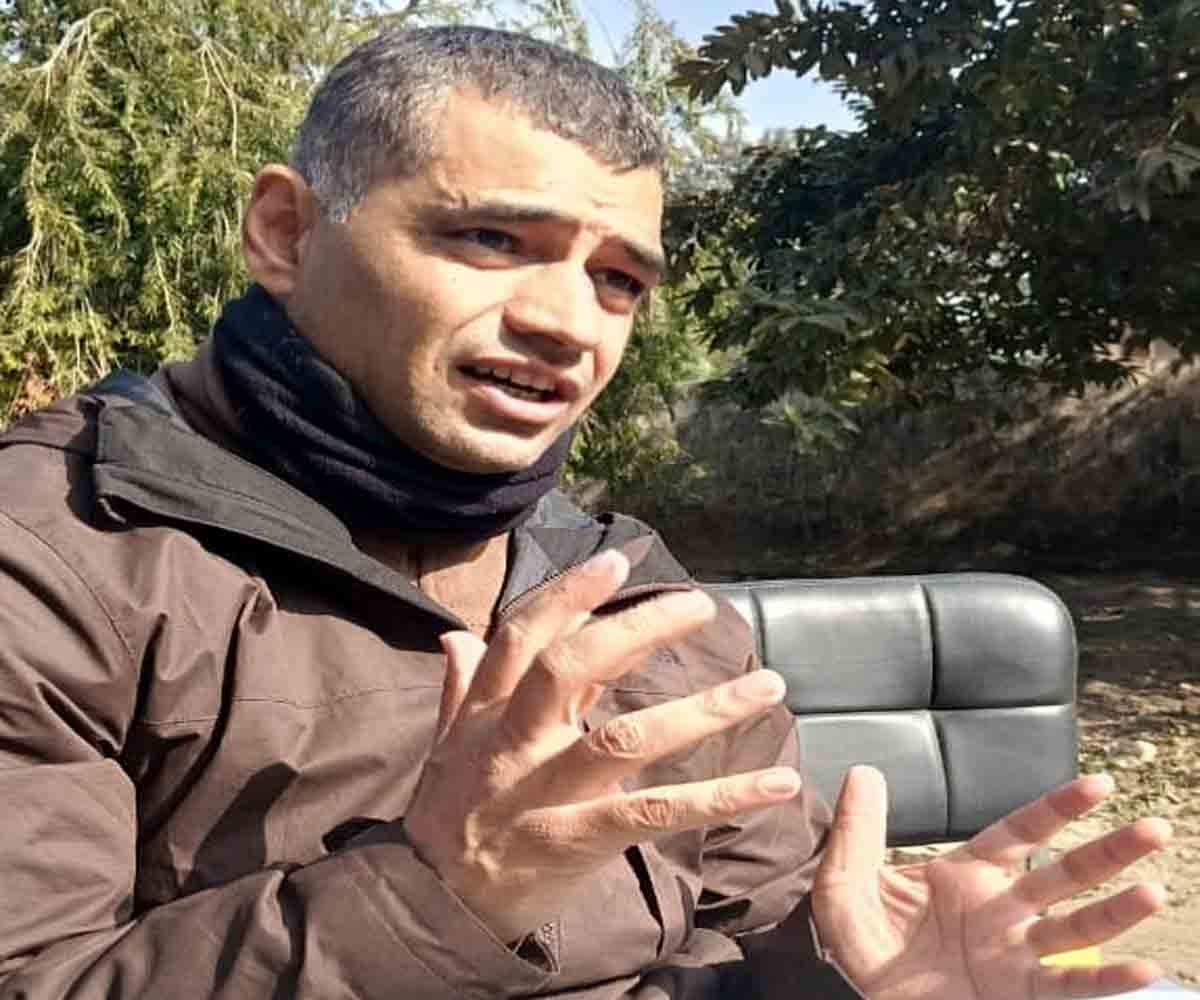
Interacting with The Pioneer, Sharma shared that since Dhikala Rescue Centre came up in 2021, his team has successfully rescued 65 tigers, 40 leopards, 10 elephants and five bears. After proper treatment and medical examinations, all these wild animals were later safely released back into their natural habitat—the dense forests.
He said that many tigers had been rescued in critical condition. “Tigers suffering from life-threatening problems such as tumours, gangrene, hygroma and fractures are treated and made capable of surviving independently again in the wilds,” he explained.
Asked why rescuing a tiger is the most risky task among all wildlife rescue operations, he said, “Every tiger is inherently a hunter. It sees every living being within its territory—even humans—as potential prey.”
“When a tiger kills a villager and drags the body into the forest, rescue operations begin only after the recovery of the body and on the orders of senior officials. However, this task is far from simple. Tranquilising a tiger at night—either from a Machan or from a vehicle amidst dense forests—is extremely challenging. A one-second mistake can render the tranquilising dart useless. If the tiger turns aggressive, the lives of the entire rescue team are put at grim risk.”
Told to tell more on the action of tranquiliser, he said that a separate dosage has to be prepared for every tiger. “During rescue operations done in the night hours, the quantity of the tranquiliser has to be increased. The dart can be fired effectively only from a distance of 40 to 50 meters. Extremely cunning and sensitive that a tiger is, it becomes alert at the slightest sound or movement. It may either disappear instantly or sensing danger, launch a fierce attack to save itself. Old tigers or cubs may fall into cages, but agile and healthy tigers often reject such traps outright,” he noted.
Quizzed over the process of DNA confirming the real identity of a man-eater, Sharma said that after the rescue, the biggest challenge is to determine whether the captured tiger is actually the one responsible for the incident. “For this, DNA samples of the tiger are sent to Dehradun or Hyderabad. Only after the DNA report is received it is confirmed whether the correct tiger has been captured or not,” he said.