

PIONEER EDGE NEWS SERVICE / Dehradun
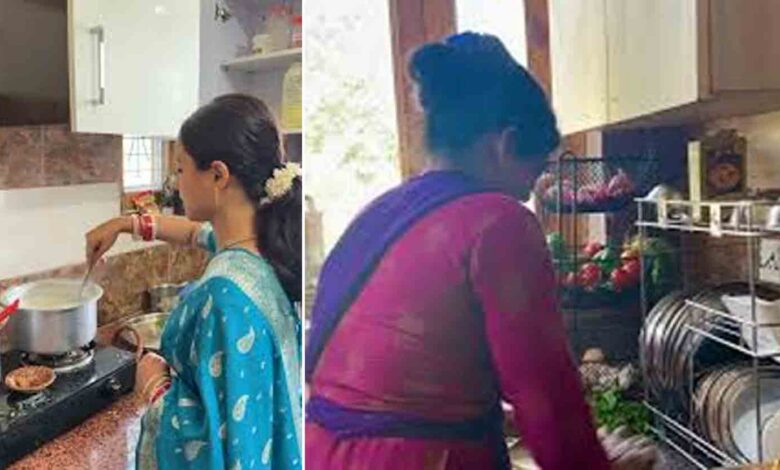
The Supreme Court’s recent ruling recognising the value of homemakers’ unpaid work has been welcomed by women and legal experts alike. They hail it as a much-needed acknowledgment of the role played by homemakers in families and society. In a significant judgment, the Apex Court had recently said that while calculating compensation in motor accident cases involving homemakers with no independent income, their domestic services should be valued at a minimum of Rs 30,000 per month. Calling homemakers “nation- builders”, the Court observed that their contribution often remains invisible although they are central to the functioning of households.
A Dehradun resident Mamta Singh said that the judgment gives recognition to the work homemakers do every day. “People often think that women, who stay at home, do not work, but managing a household is a full-time responsibility. Giving a monetary value to the work they do will help people understand their importance,” she said. “While Rs 30,000 may not fully reflect the value of their contribution, it is a good starting point,” she added.
Another homemaker Aanchal Sharma echoed the view and lauded the ruling as a long-awaited recognition of women’s contribution. “A homemaker looks after children, cooks meals, takes care of elderly family members and manages the household chores daily, recognition or no recognition. But these silent works do have their values,” she said. Advocate Rajat Dua said that the judgment is important because it officially recognises the economic value of unpaid domestic labour. “The Rs 30,000 benchmark will bring more clarity and consistency in compensation calculations in motor accident cases,” he said.
He further said that the ruling could serve as an important precedent for Motor Accident Claims Tribunals across the country and may also influence discussions in other areas where unpaid work is relevant.
He, however, added that applying a uniform benchmark across urban and rural India may pose practical challenges because of differences in living costs and social conditions.