

HILLBILLY
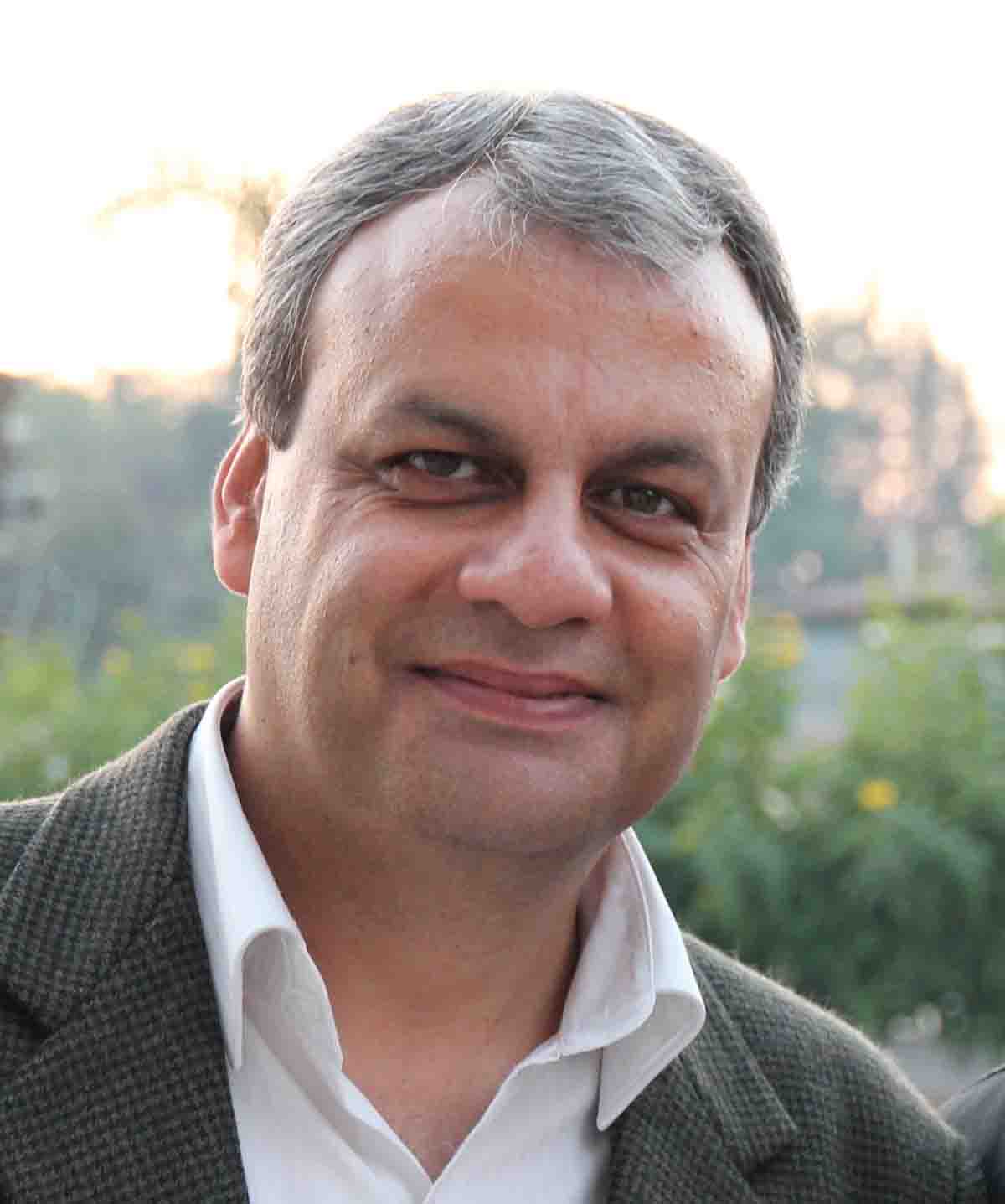 Lokesh Ohri
With the opening of the portals of the sacred Char Dham begins the annual pilgrimage into the Garhwal Himalaya. Close to the Kedarnath region is Ukhimath in the State’s Rudraprayag district. The region holds tremendous spiritual significance and serves as a popular destination for devotees of both Shiva and Krishna. The region has, over the years, also emerged as a magnet for nature lovers and adventure seekers.
A whole range of activities such as walking trails, homestays, culinary experiences, nature and heritage trails, that will attract the sensitive traveller, are on offer, catered to by village communities. Villages such as Makkumath, Pab, Jagpuda, Ushada and Sari offer homestays and curated experiences. The region is richly endowed with sacred natural landscapes, including alpine grasslands and lakes that, in their azure blue waters reflect the mighty snow-capped Himalayan peaks.
This a landscape populated by agro-pastoralist groups that lead a simple nature dependent lifestyle. They have small land holdings from which they grow organic foods. Cows grazing in alpine climes yield high quality milk. Community life is of the essence here. To experience the essence of the Himalaya, one must, however, live with the communities. The Ukhimath landscape gives you an opportunity to do just that. The true experience of travel comes from wandering through a village, tasting local cuisines and appreciating a different way of life. This experience comes essentially from walking and imbibing at a slow pace.
The confluence of the Alaknanda and Mandakini rivers at Rudraprayag is considered sacred. Many pilgrims on the Char Dham Yatra route, which includes the sacred sites of Yamunotri, Gangotri, Kedarnath, and Badrinath, pass through Rudraprayag. It is believed to be associated with the legendary King of Ayodhya, Raja Dashrath, the father of Lord Rama. According to myth, Lord Rama meditated here after defeating the demon king Ravana. The region has been a key pitstop for pilgrims traveling to the Char Dham. The temples and ghats along the riverside attract devotees and tourists alike. The town serves as a base for those heading towards Kedarnath and Badrinath. The region’s history is intertwined with the religious and cultural fabric of Uttarakhand, making it a place of significance for both pilgrims and historians alike. The prayag or confluencein Rudraprayag town is named after Lord Shiva, and situated here is a famous Rudranath Temple dedicated to Lord Shiva. The lingam is revered as Rudreshwar Mahadev.
This is the sacred space where Narad first uttered the sacred mantra, “Om Namah Shivaya” in praise of Lord Rudreshwar. Pleased by Narad’s efforts, Shiva asked Narad for a boon. When Narad insisted on the gift of knowledge, Shiva Rudra gave him the boon of the knowledge of musical arts and Yoga here.
Close to the mystical Ukhimath landscape are the venerated shrines of Ukhimath (also known as Ushamath), and Makkumath. While the former is the winter seat of Lord Kedarnath, the latter is the winter seat of Lord Tunganath. This is Shiva country, its pathways and treks leading to many sites connected to Shiva and the Pandavas. The people of the Ukhimath Landscape lead a tough life. One can appreciate this as one walks from on the village pathways, when one comes across people carrying wood, grass or simply taking their cattle to graze, up the steep slopes. Nevertheless, they live in harmony with nature, utilising every single endowment it has to offer to its fullest. Their lives are dictated by the rhythms of the seasons, especially since much cannot be produced during the harsh, long winter. Seasonal fluctuations call for building reserves for the cold weather.
People share a very intimate bond with devtas like Jakh. The deity speaks through an oracle or pashwa. The oracle, when possessed, speaks as the mouthpiece of the deity, and one can witness people consulting with the pashwas in village courtyards. Officials are appointed to manage logistics of the temples and for the deity journeys. Locals devote a lot of time, resources and effort to the work of the deities, especially during festivals and times when the deity visits their village. They simply describe this as devta ka kaam and attach great importance to it.
The slow pace of life revolves around these festivals, where rituals that have sustained these communities over millennia are performed. Hospitality is considered duty and many are averse to accepting money for services rendered. Life may be tough up here, but nature’s bounties more than make up for it. The terrain is a dense scrubby forest of baanj or Himalayan oak, deodar, pine and rhododendron. These alpine forests soon give way to alpine grasslands through shrubs and scrub. The grassland extends upwards to the snowline. Alpine meadows are usually referred to as ‘nature’s own gardens’ where the topography is undulating, overlaid with a carpet of spongy grass. During winter the alpine meadows remain snow-covered. At high elevations above the treeline, the sub-alpine meadows erupt in colour every spring as delphiniums, gentians, poppies, roseroots, louseworts, anemones and asters bloom. A local belief tells us that during the flowering season, people would venture into the grasslands only in large groups because the fragrance of the flowers would induce amnesia. If you went alone, you would simply forget who you were and where you came from!
The terrain of the mystical Ukhimath Landscape is magical, with forests that abound in folklore and natural wonders. At every turn one finds a temple, or the signs dedicated to the kshetrapal, the protector of the lands, forests and fields. Every stream, pathway and hamlet seem to hide stories that reveal a strong faith in the forces of nature.
People here usually think of Pandavas, from the epic Mahabharata, as their ancestors. Therefore, many rituals reflect sub-patterns of hill culture. The broad themes such as love, hatred, victory, valour and regaining lost empires are shared here as well. The most extensive body of folk performance is that based on the Mahabharata tales, popularly known as the Pandava Nritya, Pandav lagaana or the Pandava dance theatre.
The Pandava dance theatre, performed every winter in the month of December in village squares, illuminates social issues and informs local culture more perhaps than any other text. The folk version of the epic Mahabharata is constantly cited to explain almost everything from the nature of polyandry to the well-being of the community through song and dance sequence and spreads the message of peace and harmony by possession, which emphasise the presence of divinity, that is constantly present and solemnises the entire sequence of the performances.
The temple at Ukhimath, also referred to as Omkareshwar and Usha Math, is a shrine of great significance to the people of the region. Ukhimath is considered as the space where the grandson of Lord Krishna, Anirudh, was married to Usha, the daughter of the demon Banasur. This is the winter seat of two Shiva forms, Lord Kedarnath and Madhmaheshwar. Close to the Omkareshwar Temple is the Shiva Temple of Bholeshwar. On the other hand; Makkumath is the seat of Lord Tungnath.
Omkareshwar Temple is considered one of the Panch Kedar temples, a group of five holy temples dedicated to Lord Shiva in Uttarakhand. The temple follows traditional Himalayan architecture with intricate wood carvings and stonework. The sanctum sanctorum houses the main deity, Lord Shiva, in the form of a lingam, the symbolic representation of the divine. The temple complex also includes smaller shrines, dedicated to other Hindu deities.
From here you can visit the village of Sari and then trek up to the mystical lake of Deoriya Tal. In the clear waters of this mystical lake, you can catch the reflection of the snow-covered masiff of the mighty Chaukhamba. Therefore, this time, while on pilgrimage, take time out to meet the people of Ukhimath in the Himalaya, visit their villages and experience Himalayan life the way it is still lived on these ridges. Rudraprayag beckons you.
(The author is a writer, traveler and anthropologist who lives in the Himalaya; views expressed are personal)