
Wednesday, 03 JULY 2024 | PNS | DEHRADUN
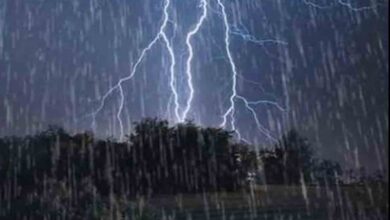
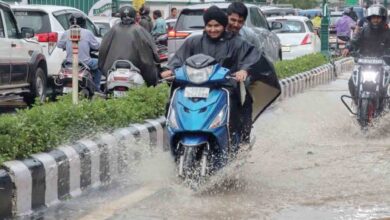
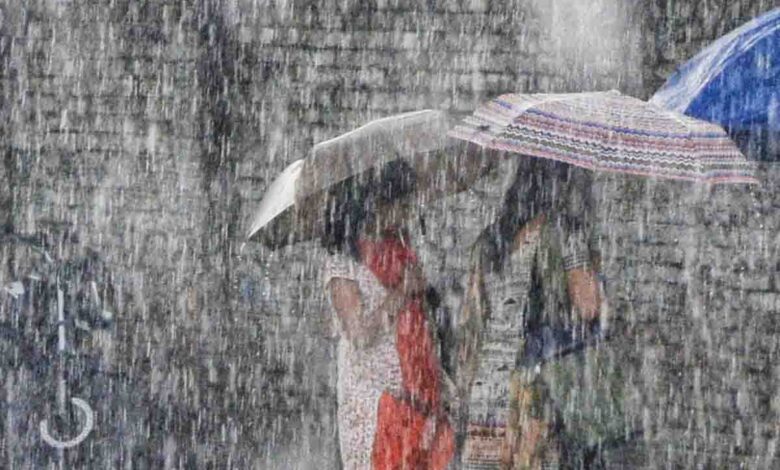
Heavy rain disrupted routine life in Dehradun on Tuesday with waterlogging and other issues being experienced in various areas. Similar weather is expected in the State on Wednesday with the State meteorological centre issuing a red warning (Take Action) regarding the possibility of very heavy to extremely heavy rain at isolated places and very heavy to heavy rain at few places in Nainital, Bageshwar and Champawat districts. Heavy to very heavy rain is likely to occur at a few places in Almora, Pithoragarh and Udham Singh Nagar districts while thunderstorms accompanied with lightning/very intense to extremely intense spells of rain are likely to occur at isolated places in districts of Kumaon. The centre has also issued an orange alert (Be Prepared) regarding the possibility of heavy to very heavy rainfall/thunderstorms accompanied with lightning/very intense to extremely intense spells of rain likely to occur at isolated places in Dehradun, Pauri, Tehri and Haridwar districts on Wednesday. A yellow alert (Watch) has also been issued regarding the possibility of heavy rainfall/thunderstorms accompanied with lightning/intense to very intense spells of rain likely to occur at isolated places in Chamoli, Rudraprayag and Uttarkashi districts today. Apart from this, light to moderate rain/thunderstorms are likely to occur at most places in the State’s districts.
The provisional State capital Dehradun is forecast to witness a generally cloudy sky. Few spells of light to moderate rain/ thundershowers are likely to occur which may be intense/heavy in some areas. The maximum and minimum temperatures are likely to be about 30 degrees Celsius and 24 degrees Celsius respectively in Dehradun today.
Meanwhile, Dehradun recorded heavy rain with 104.3 millimetres while 115.2 millimetres was recorded in nearby Jolly Grant. Moderate rain was reported in various areas with 43 millimetres in Rishikesh, 35.5 millimetres in Vikasnagar, 24 millimetres in Narendranagar, 24 millimetres in Nainital, 19 millimetres in Champawat and 16.5 millimetres in Almora. The maximum and minimum temperatures recorded were 29.9 degrees Celsius and 26.8 degrees Celsius respectively in Dehradun, 30.5 degrees Celsius and 25.8 degrees Celsius in Pantnagar, 23.4 degrees Celsius and 16.4 degrees Celsius in Mukteshwar and 24.6 degrees Celsius and 19.7 degrees Celsius in New Tehri.