
PIONEER EDGE NEWS SERVICE / Dehradun
Residents and a social activist in Dehradun have called for action against the prevailing VIP culture in the State. This culture has caused stress, traffic issues and other challenges for the local population, they expressed.
It is noteworthy that in 2013, the Supreme Court issued an order limiting the use of red beacon lights with exceptions for individuals in constitutional positions while on duty, such as the President, Chief Justice of India and Lok Sabha speakers. Subsequently, in 2017, the central government banned the use of red beacon lights on VVIP vehicles, with exceptions only for emergency services like ambulances, fire services, police vehicles, and high dignitaries, who can use blue beacon lights. However, it has been observed that the implementation of this order has been lax at the State level, with some ministers continuing to use hooters and others who promote VIP culture.
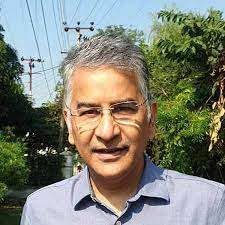
The founder of Social Developments for Communities (SDG) Anoop Nautiyal expressed his disappointment at the irresponsible behaviour of politicians, officials, their drivers and support staff who perpetuate the VIP culture. He shared his personal experiences with officials using sirens or hooters unnecessarily and overtaking vehicles at high speeds while travelling on the road. He said that such things contribute to traffic, stress, noise pollution and even potential accidents. He urged chief minister Pushkar Singh Dhami, the Speaker of the Assembly and the DGP of the State to enforce strict instructions to politicians, leaders, officers, drivers and staff, urging them to reduce unnecessary use of sirens or hooters, as it negatively impacts the common people and promotes a culture of VIP.
Dehradun resident Vinay Dev expressed his frustration with the VIP culture, stating that it directly impacts the community. He said that when high-ranking officials, including district magistrates and ministers, are on the road, commuters are often forced to stop and create a clear path for their vehicles. This can lead to traffic jams, where residents find themselves stuck for two to three hours. Additionally, many VIPs use hooters unnecessarily, contributing to noise pollution. Dev urged the authorities to take measures against the VIP culture for the improvement of residents’ well-being.
Another resident, Kanika Chandola, echoed these sentiments, emphasising the need to minimise the VIP culture in the State. She highlighted the inconveniences posed by the stopping of other vehicles to allow VIPs to pass, which exacerbates traffic congestion, stress and other related problems. Chandola suggested that VIPs, including ministers and officials, should travel the same way as ordinary residents, which would enable them to better understand the struggles faced by the public and encourage them to implement necessary changes. She urged the authorities to issue guidelines against this VIP culture.