

PIONEER EDGE NEWS SERVICE/Dehradun
In view of the risk of water-borne diseases during the monsoon season, Uttarakhand Jal Sansthan (UJS) has issued strict instructions to officials across the State to ensure a clean and safe drinking water supply through regular chlorination as per prescribed standards.
UJS chief general manager DK Singh said that the growth of bacteria increases in the environment during monsoon, which raises the risk of water contamination and the spread of diseases among residents. “To maintain clean drinking water supply and prevent water-borne diseases, directions have been issued to all officials concerned,” he said.
Singh said that officials have been directed to regularly inspect chlorination plants and dosers to ensure that equipment is functioning properly and chlorination is being carried out without fail. All engineers have been instructed to visit the field every day during morning and evening water supply hours and conduct Orthotolidine (OT) testing of drinking water. OT testing should also be conducted jointly and regularly with the municipal health officer or his representative, he said.
He said that officials have been told to collect drinking water samples from various areas of the city from time to time through the departmental laboratory and get them tested chemically and molecularly.
If information is received through any other medium about the spread of seasonal diseases such as diarrhoea, jaundice, among others, officials must immediately visit the area with the Health department, ascertain the reasons and collect drinking water samples from various locations for laboratory testing, including molecular tests. If the test report is not satisfactory, the sample should be sent to an NABL-certified departmental laboratory, he said. Singh added that cognisance must be taken of daily OT tests conducted by the department, joint OT tests with Health department representatives, chemical/molecular tests by the departmental lab, and reports from other sources. Test reports of drinking water samples must be sent to headquarters on a weekly basis, he said.
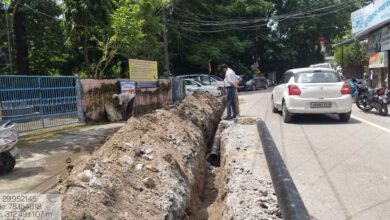
The CGM added that the superintending engineer has been directed to regularly monitor chlorination arrangements and drinking water sample testing in the branch, review the updated status daily, especially during the rainy season and take appropriate action. He further said that if chlorination is not found during OT testing in inspections by senior officials, responsibility will be fixed on the concerned. Other directions include immediate repair of identified pipeline leaks. If a pipeline is more than 30 years old or has outlived its capacity and repeated leaks pose a contamination risk, an estimate for its replacement should be sent to headquarters on top priority.
Singh said several other directions regarding monsoon preparedness have also been issued to ensure clean supply of drinking water to residents across the State.