
Afzal Hussain Fauji/ Nainital
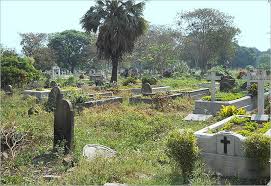
Nestled in the scenic valleys of Kumaon, Nainital is known not just for its lakes, mountains and pleasant climate, but also for the treasures of history it holds and preserves in its bosom. Among them is an ancient cemetery located in Sukhatal, which still remains a vibrant repository of stories from the British era. Hemmed in by dense forests and shrouded by silence, this place offers a unique experience with each grave as though telling a story from the past.
The most remarkable feature of this cemetery is the graves of Mary Jim Corbett and Christopher William Corbett, the parents of the legendary hunter, author and conservationist, Jim Corbett. Christopher Corbett served as postmaster in Nainital at the time. These graves not only reveal the history of a family, but also offer a glimpse into the period when Nainital was morphing into a major hill station for the British.
The renowned, Nainital-based historian, Prof Ajay Rawat explains that this cemetery is not just a burial site but part of an international heritage. It is also connected to St John’s in the Wilderness Church, considered the first Protestant church in Kumaon. Established in 1845, this church served as a hub of religious and social activities during the British period, hosting baptisms, weddings and other religious ceremonies. “Even today, foreigners visit Nainital to remember their ancestors, visiting their graves in this cemetery and church. This tradition signifies that Nainital is not just a tourist destination but an important centre of global cultural heritage,” Rawat stresses.
However, unfortunately, despite its historical significance, this site remains neglected. “This needs preservation. The state government should step in and also, the locals of Nainital should refrain from littering the area,” he commented.
Importantly, this cemetery also houses the grave of George Thomas Lushington, the former British Commissioner of Kumaon, who is credited with initiating the urbanisation of Nainital. Furthermore, those who died in the catastrophic 1880 landslides were buried here. ‘This event remains a painful chapter in Nainital’s history, further adding to the graveyard’s significance,” Rawat noted.
Sadly, the cemetery, which holds so many layers of history, is now in a dilapidated state. Names on many graves have been erased, stones have crumbled, and bushes have grown on and around them. Both the locals and history- lovers say that if initiatives to preserve this heritage are not taken now, its history may sink into oblivion, lost to time, forever. “If appropriately preserved and developed, it could not only become a centre of attraction for the history-lovers but give a new direction to Nainital’s tourism,” Rawat observed.