
Excessive smartphone use affects memory & relationships, warns psychologist

PIONEER EDGE NEWS SERVICE/Dehradun
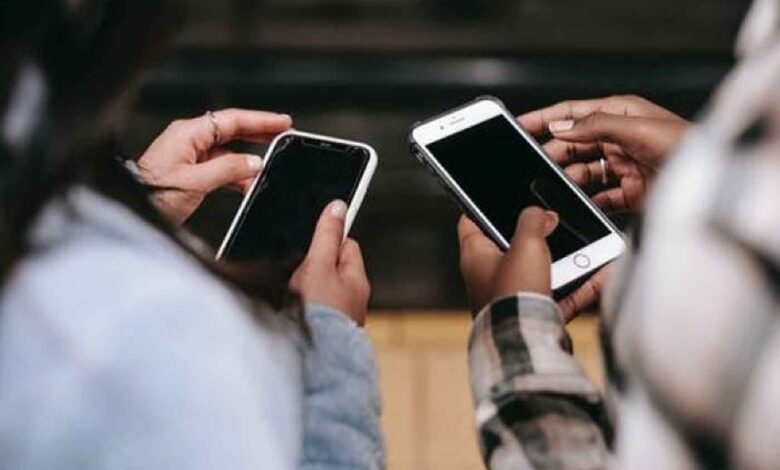
From checking messages the moment a notification pops up to scrolling endlessly during free time, smartphones have become an inseparable part of daily life. Mental health experts, however, warn that excessive phone use is taking a toll on focus, memory and real-life relationships.
A noted Dehradun-based psychologist, Bhagyalaxmi said that frequent notifications trigger the brain’s system by creating an expectation of receiving new information, messages or social validation. “This encourages people to check their phones repeatedly, leading to a pattern that closely resembles behavioural addiction,” she said.
Sharing more, she said that constant interruptions make it harder for the brain to stay focused on one task for long. “Over time, excessive screen time may also affect memory as people increasingly depend on their phones instead of recalling information on their own. Regularly switching between apps and daily activities further reduces concentration and productivity,” she warned.
According to Bhagyalaxmi, warning signs of unhealthy smartphone dependence include feeling anxious without the phone, checking it repeatedly without any specific reason, being unable to reduce screen time, sleep disturbances and neglecting work, studies or personal relationships.
Echoing the same view, a Dehradun user Sahil Mehra said that excessive phone use has reduced meaningful face-to-face conversations and weakened family interactions. “Even when people are sitting together, many remain busy looking at their screens instead of talking to one another,” he said.
Another user, Niharika Taak said that people now instinctively reach for their phones whenever they receive a notification or even when they are simply bored. “It has become a habit and we hardly realise it,” she said.
Bhagyalaxmi further warned that children and teenagers are more vulnerable to the effects of excessive smartphone use because their brains are still developing. She stressed that parents, schools and workplaces should encourage healthier digital habits by promoting offline activities, setting screen-time limits and creating device-free spaces. “If left unchecked, prolonged smartphone use may contribute to stress, anxiety, erratic sleep pattern and a decline in overall mental well-being,” she cautioned.