

PIONEER EDGE NEWS SERVICE/ Dehradun
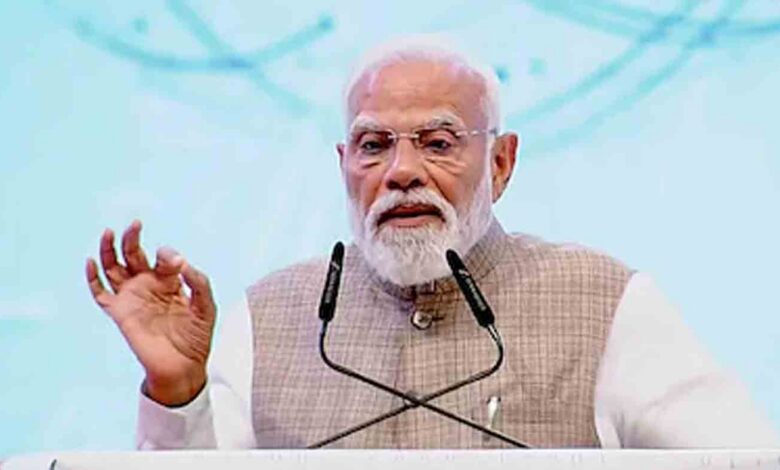
Prime Minister Narendra Modi’s appeal to save fuel by using public transport and carpooling has seen little impact on the ground in Dehradun so far, with bus operators and drivers saying that passenger numbers remain largely unchanged with no noticeable rise. While the appeal has drawn attention, the commuters are of the opinion that things are unlikely to change for the daily travel decisions still depend on convenience, timing and availability of services.
The president of the Dehradun Mahanagar City Bus Service Society, Vijay Vardhan Dandariyal stated that fuel-saving efforts will succeed only when more people switch to public transport. He, however, added in the same breath that appeals alone might not be enough.
“Unless ministers, the officials and government employees also start using public transport, it will be difficult to bring real change,” he said, pointing out that many continue to rely on private vehicles for daily commute.
He said that the traffic pressure in the city has increased over time, with most households owning private vehicles. “We must also consider irregular bus timings and limited routes which are the main reasons why people avoid public transport. If services improve, more people may use buses. We hope that after new buses are added to the fleet by the end of the year, the number of people using public transport will increase significantly,” he observed.
A bus driver, Ashok Kumar said that the PM’s appeal seemed to have little effect on the people’s habit of commuting in private vehicles while shunning public transport. “Maybe people feel they may get late if they depend on buses,” he said, citing timing issues.
The response of the residents is mixed. Riya Bisht said that comfort and availability remain key issues for many commuters. “Public transport is not always reliable, especially during peak hours,” she said.
A working professional, Manav Gupta said that people may consider shifting only if services improve. “If buses are more frequent and better managed, more people may use them,” he said.