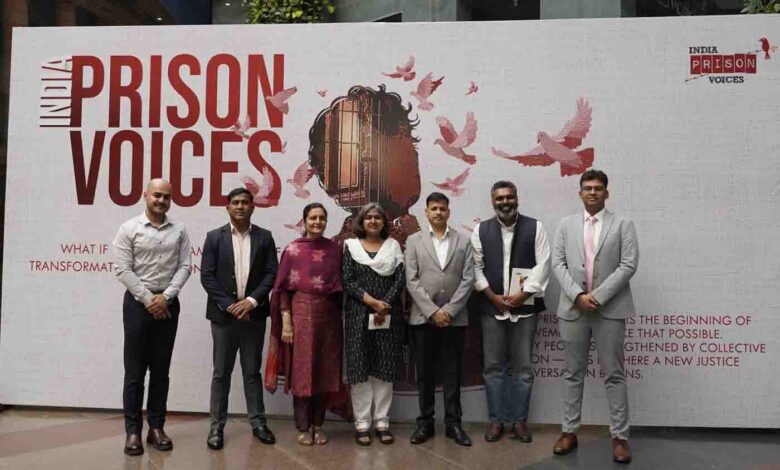
India Prison Voices 2026 by TYCIA Foundation brings policymakers, judiciary & civil society to reimagine future of Indian prisons

PIONEER EDGE NEWS SERVICE/Dehradun
India Prison Voices, led by the Project Second Chance team at TYCIA Foundation, is a national platform to align the vision of Viksit Bharat 2047. The platform saw strong senior leadership participation from prison departments across multiple States, together to share on-ground innovations and best practices.
Maharashtra Prisons highlighted their open restaurant initiative run by formerly incarcerated individuals, now serving thousands daily and creating dignified livelihood pathways. Uttarakhand Prisons shared their work on establishing schools within prisons and their vision to expand education and address gender-responsive reforms at scale.
Uttar Pradesh Prisons presented cooperative models that enable livelihoods for thousands of incarcerated individuals, while Haryana Prisons brought forward diverse approaches to reformation and rehabilitation rooted in behavioural change and reintegration. Senior members of the judiciary offered a broader institutional perspective, emphasising the role of legal aid, access to justice, and systemic efficiency in ensuring fair and timely outcomes. Together, these voices reflected a shared commitment to strengthening the justice ecosystem. At its core, India Prison Voices centres lived experience—through sessions like Stories from the Barracks, the theatre performance Jail Ki Pehli Raat, and the Prison Listening Room—creating spaces where real journeys of transformation, resilience, and second chances are heard and understood.
It is ultimately a collective effort—bringing together institutions and individuals—to recognise what is working, inspire collaboration, and move towards a future where prisons are not just spaces of confinement, but of reform, dignity, and opportunity, contributing meaningfully to a developed and inclusive India. The initiative aligns with the Government of India’s ongoing focus on justice reform, institutional strengthening, and inclusive development. It builds on efforts to modernise prison systems, improve access to legal aid, and create pathways for rehabilitation and reintegration.