GUEST COLUMN : From cylinders to sunlight: Rethinking energy in Uttarakhand’s hills

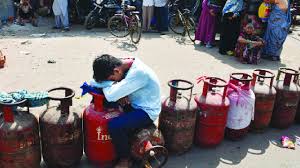
The recent pan-India LPG supply issue is not just a short-term problem, but a strong indication of deeper weaknesses in the State’s energy system. It was partly caused by global tensions-West Asia conflict- which disrupted fuel supply. This situation clearly revealed India’s dependence on imported LPG, with majority being sourced from West Asian producers like Saudi Arabia, Qatar and the UAE via the strategically sensitive Strait of Hormuz.
India has witnessed a massive expansion in LPG access over the past decade, making it one of the largest clean cooking energy transitions in the world. With the Pradhan Mantri Ujjwala Yojana’s intervention in 2016, Uttarakhand has almost achieved universal access to clean cooking fuel in rural and hilly areas. By providing LPG connections to millions of women from economically weaker households, the scheme aimed to free them from the harmful effects of traditional chulhas, reduce indoor air pollution, ensure dignity, health and convenience in everyday life. But during the crisis, this promise felt distant for many, as clean fuel became inaccessible and uncertainty replaced convenience.
Today, nearly 99 per cent of Indian households have access to LPG, with about 85–90 per cent of total consumption used for domestic cooking purposes. This rapid increase in connections highlights the success of government policies in expanding clean energy access, but it has also significantly increased demand, contributing to higher import dependence. This growing dependence meant that when supply broke down, the burden was not just economic—it was deeply human, affecting kitchens, families and daily routines.
Before the latest disruption, India’s LPG demand and supply system were already under structural pressure due to steadily rising consumption and import dependence. According to data from the Ministry of Petroleum and Natural Gas, the country’s LPG consumption reached approximately 29.6 million metric tonnes (MMT) in 2023–24, growing steadily due to schemes such as Pradhan Mantri Ujjwala Yojana and increasing urbanisation. Against this, domestic LPG production stood at only about 12.5–13 MMT annually, meaning that over 55–60 per cent of total demand was met through imports.
Prior to the blockage, India maintained a relatively stable LPG supply through long-term contracts and subsidies, distributing nearly 90 per cent of LPG for domestic household consumption, while the remaining was used by commercial and industrial sectors. However, this stable situation before the crisis was misleading, as it hid a major weakness. The growing gap between demand and domestic supply, along with a strong reliance on a single sea route, made the system highly fragile. As a result, when movement through the Strait of Hormuz was disrupted in 2026, it quickly led to a serious breakdown in LPG supply.
The situation is equally precarious in Uttarakhand. Before the 2026 crisis, the LPG supply system here functioned in a relatively stable and predictable manner. The average booking cycle for domestic LPG cylinders was around 21 days, and once a booking was made, delivery was typically completed within 2–3 days, even in many semi-urban areas. The state’s commercial LPG demand stood at approximately 2,500-2,650 cylinders per day, serving hotels, restaurants, dhabas, hospitals and tourism-related establishments. There was minimal backlog in bookings, and supply chains operated smoothly without significant disruption. The recent LPG crisis has sent tremors through the system, with nearly 30,000 cylinders booked within just 30 minutes, reflecting sudden pressure on the system. The crisis also had a major impact on commercial LPG supply. In several towns such as Haldwani and Ramnagar, supply was either severely restricted or temporarily halted, disrupting local economies dependent on tourism and hospitality. About 15 per cent of hotels, restaurants and eateries were reported to be partially or fully shut due to a lack of LPG. The state’s tourism-driven economy further intensifies seasonal demand, especially during pilgrimage and travel seasons such as the Char Dham Yatra.
The crisis revealed stark regional disparities across the state. In the Kumaon region—particularly districts like Nainital, Almora, Bageshwar, and Pithoragarh—rural communities were among the worst affected. For families in these remote villages, this was not just a delay—it meant returning to firewood, waking up early to collect fuel, and inhaling smoke that harms health, especially for women and children. This reversal was heartbreaking, undoing years of progress toward clean energy and forcing people back to unsafe, exhausting practices.
In remote villages, the lack of motorable roads meant cylinders had to be carried manually over long distances, significantly increasing transportation costs. Each cylinder became a symbol of hardship—carried on shoulders across steep paths, reflecting the invisible labour of hill communities.
In the Garhwal region, districts such as Uttarkashi, Chamoli, and Rudraprayag experienced a different dimension of the crisis. Being part of the Char Dham pilgrimage route, these areas rely heavily on tourism for livelihoods. During the disruption, 20–30 per cent of small eateries and roadside dhabas reported temporary closures, while hotel bookings declined by 15–25 per cent. LPG supply to commercial establishments dropped significantly, affecting local economies dependent on seasonal tourism. Behind these statistics were families losing their livelihoods, struggling to meet their daily needs as energy scarcity directly affected income.
Additionally, the shortage led to the emergence of a black market, where LPG cylinders were sold at highly inflated prices ranging between Rs 2,000 and Rs 3,000 or more.
The LPG crisis in Uttarakhand has not only exposed systemic vulnerabilities but also created a critical opportunity to rethink the state’s energy framework by shifting towards sustainable alternatives, such as solar energy. Uttarakhand possesses significant natural advantages that make it well-suited for developing solar energy as a sustainable alternative to conventional fuels. The state receives substantial solar radiation, ranging from about 4 to 7 kWh per square metre per day, with nearly 287 sunny days annually, ensuring a reliable and consistent energy source throughout the year. Solar power could potentially meet up to 57 per cent of the state’s electricity demand. At the same time, increased adoption of solar solutions helps conserve forests by reducing reliance on firewood, thereby protecting biodiversity and maintaining the fragile ecological balance of the Himalayan region. This shift also leads to improved public health outcomes, as reduced use of biomass fuels minimises indoor air pollution—one of the leading causes of respiratory illnesses among rural households, especially women and children. Overall, the transition to solar energy aligns closely with the SDGs by promoting environmental sustainability, social well-being, and economic growth, ensuring a more balanced and resilient future for Uttarakhand. For example, solar cookers offer a clean, cost-effective alternative to cooking. Solar home systems provide electricity for lighting, mobile charging, and small appliances. It is estimated that a single solar home system can reduce CO₂ emissions by 1–1.5 tonnes annually, making it a cleaner, greener alternative. Solar energy is particularly suitable for Uttarakhand’s mountainous terrain, where scattered settlements and poor connectivity often hinder centralised energy distribution.
However, despite its immense potential, the adoption of solar energy in Uttarakhand faces several challenges that need to be addressed. In terms of affordability, although the initial installation cost of solar systems—ranging from approximately Rs 50,000 to Rs 1.5 lakh for basic household setups—can be high, their long-term economic benefits are substantial, as they have minimal operating and maintenance costs.
The transition from “cylinders to sunlight” therefore represents more than a technological shift—it reflects a deeper transformation in the approach to energy security, self-reliance, and environmental stewardship. The LPG crisis in Uttarakhand has served as a critical reminder of the inherent limitations of centralised, supply-dependent energy systems in geographically fragile and mountainous regions. At the same time, the crisis has opened a window of opportunity to rethink energy strategies and move toward more resilient, localised, and sustainable alternatives. In such a framework, solar energy can serve as the primary source for everyday needs such as cooking, lighting, and water heating, thereby reducing dependence on costly and supply-sensitive LPG. At the same time, LPG can function as a reliable backup during periods of low solar availability—such as cloudy weather, monsoon seasons, or emergencies—ensuring continuity of essential household activities. By integrating decentralised solar solutions with conventional LPG support, Uttarakhand can move towards a more secure, cost-effective, and environmentally sustainable energy system that is better suited to its unique Himalayan context. Hence, solar energy emerges not as a complete replacement but as a powerful complement to existing energy sources.
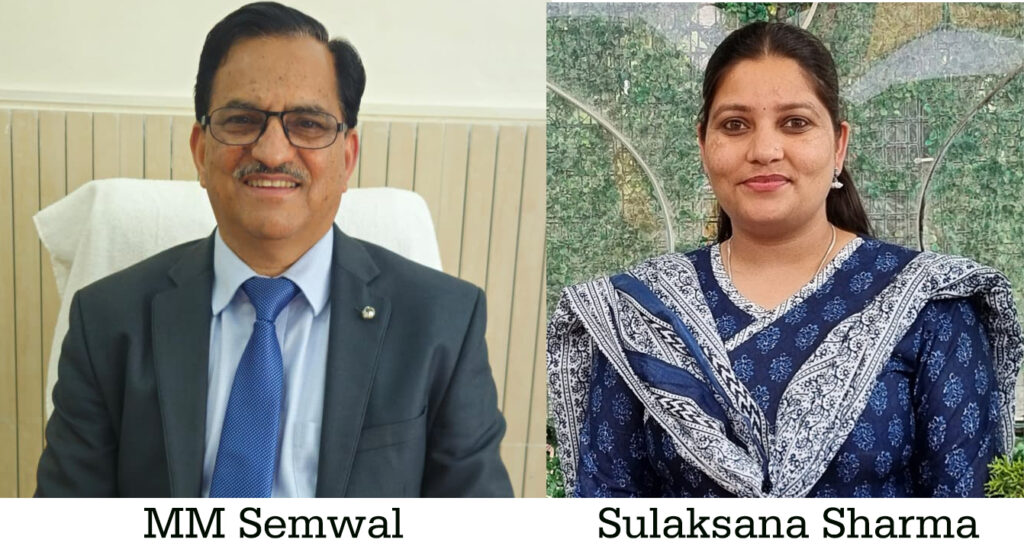
(Semwal is head of Political Science department in HNB Garhwal University, Sharma is a research scholar; views are personal)